

Switch theme
Inventory Accounting
In the Inventory Accounting area you keep the goods records: you document received and dispatched goods, beginning inventories, price calculations and levelings, write-offs, daily cash sales, stock, and the sales purchase ledger. It consists of the following subsections:
- Delivery In Notes
- Delivery Out Notes
- Beginning Inventories
- Price Calculations
- Price Levelings
- Write-Off
- Daily Cash Sales
- Stock
- Sales Purchase Ledger
Delivery In Notes
The first subsection is Delivery In Notes, used for documenting received goods:
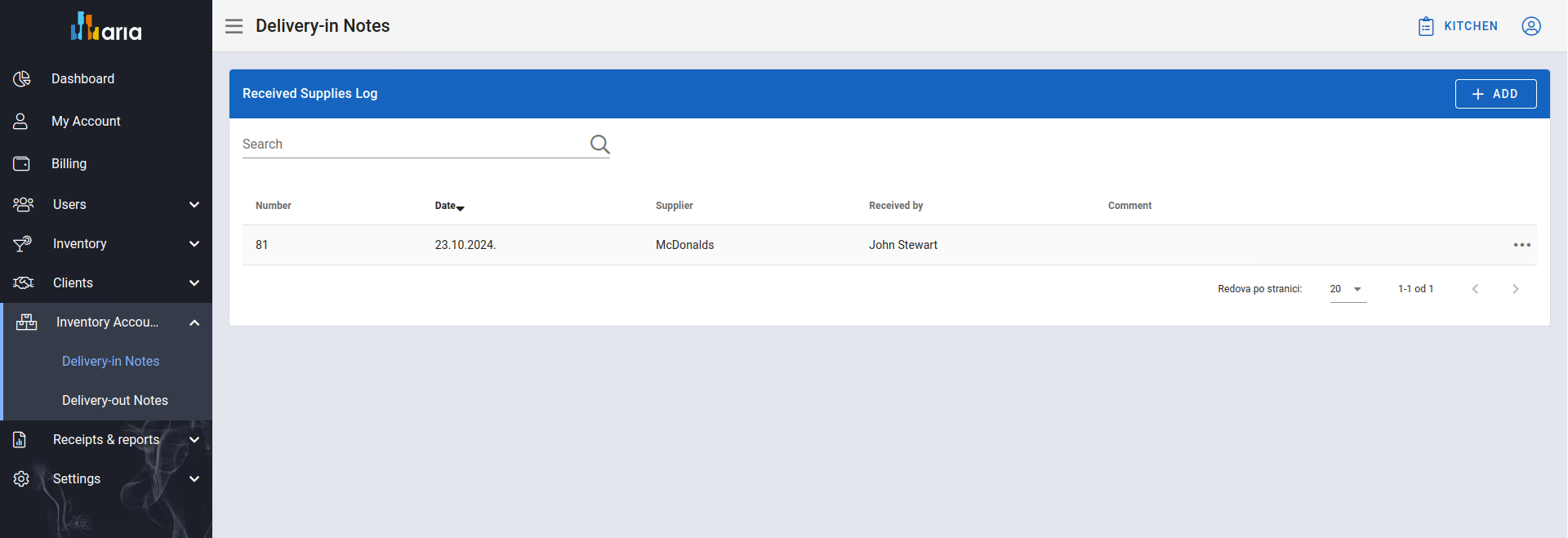
Delivery In notes
Add Delivery In Note
Clicking the ADD button in the top right corner of the delivery in notes table (see the image above) opens the form for adding delivery in notes:
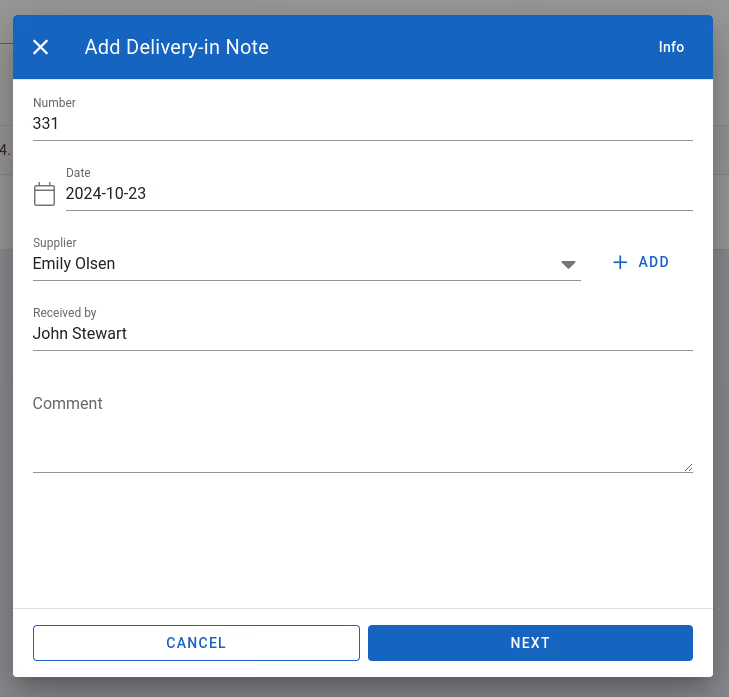
First part of the form for adding delivery notes
The filled-out first part of the form looks like the image above. Clicking the NEXT button takes you to the second part of the form, with the fields for entering the quantities of specific items:
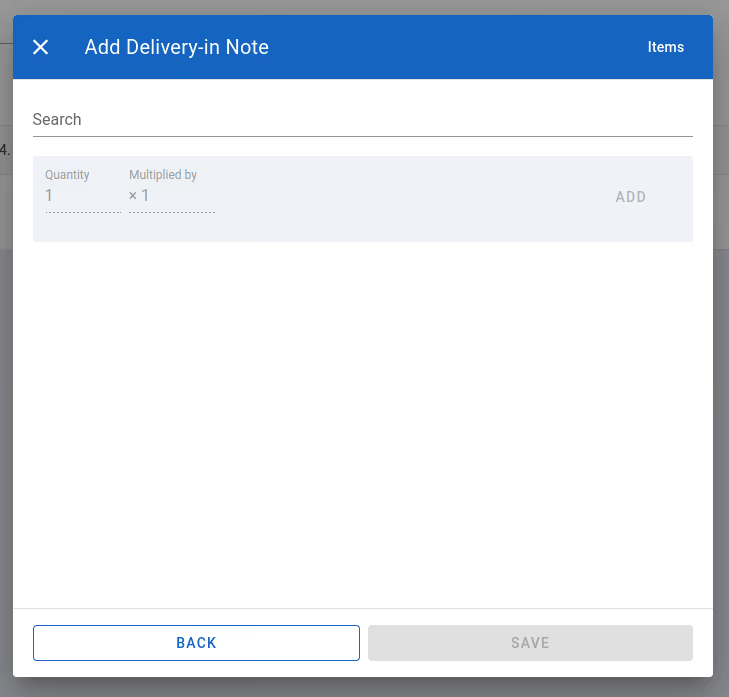
Second part of the form for adding delivery in notes
In the Search field, find the desired item, previously entered in the adding items section. Once you find it, click it, select the quantity, and finally click the ADD option. The form then looks like this:
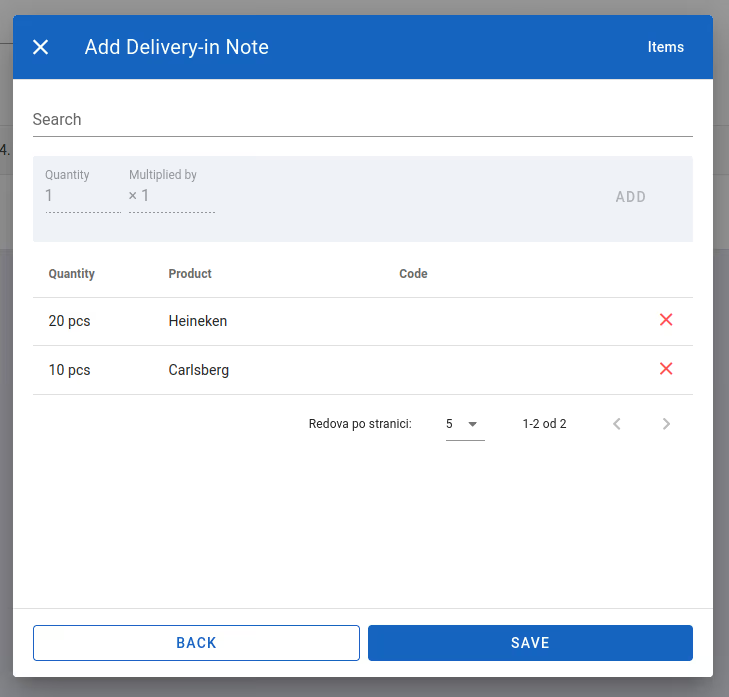
Successfully filled second part of the form for adding delivery in notes
There can be multiple items in this table. After entering all the items for the given delivery in note, clicking the SAVE button saves the entered data.
Options for Delivery In Note Management
At the end of the row in the delivery in notes table are three dots — the options for managing a specific delivery in note:
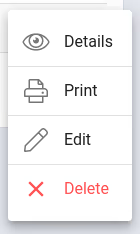
Options for Delivery In Note Management
Delivery In Note Details
Clicking Details displays the details of the note:
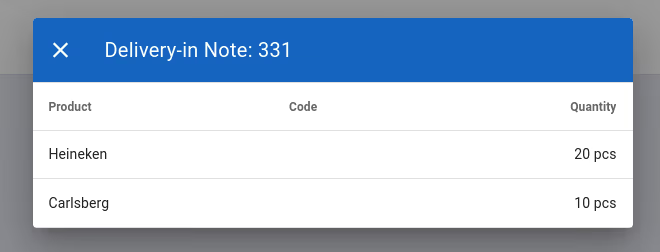
Details of the delivery in note
Print Delivery In Note
Clicking PRINT opens the window for printing the delivery in note:
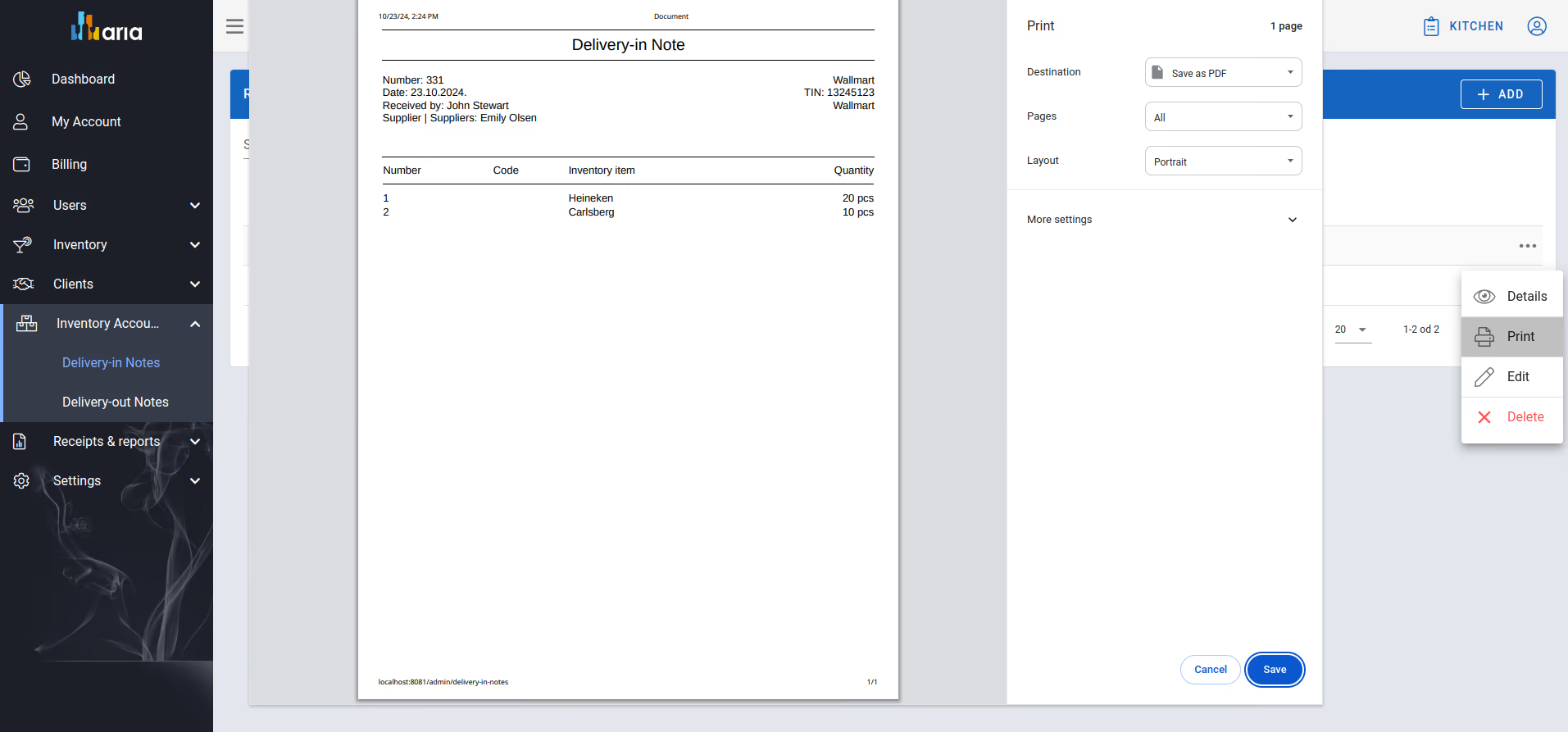
Window for printing the delivery in note
Edit Delivery In Note
The Edit option opens a form with the pre-filled data of the selected delivery in note:
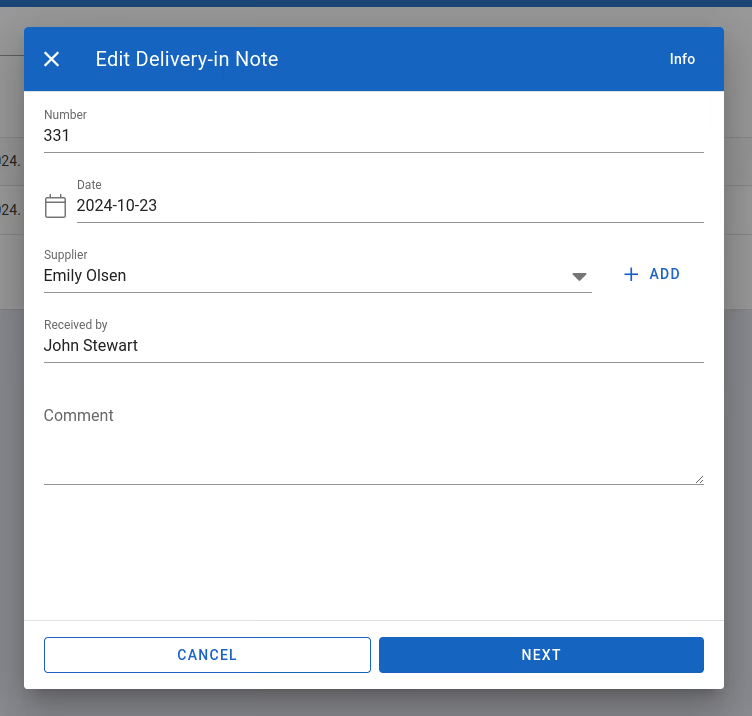
First part of the form for editing the delivery in
To proceed to the second part of the form, click the NEXT button:
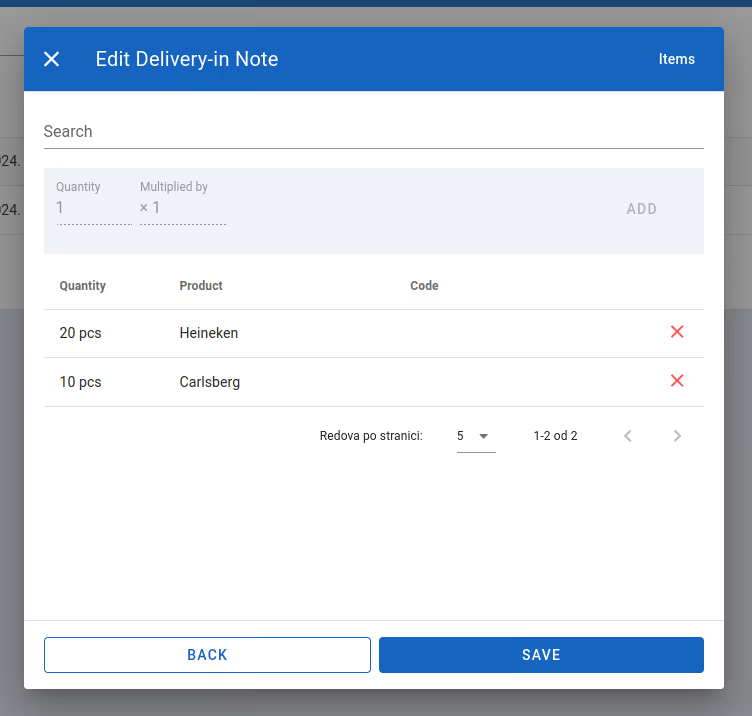
Second part of the form for editing the delivery in
You can add new items to the note's list or delete old ones by clicking the X icon.
Once the appropriate fields have been edited, clicking the SAVE button saves the changes.
Delete Delivery In Note
The Delete option opens a confirmation window:
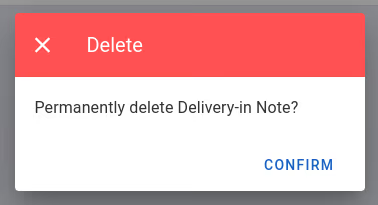
Window for confirming the deletion of the delivery in note
Upon confirmation, the delivery in note is permanently deleted from the system.
Delivery Out Notes
The second subsection is Delivery Out Notes, used for documenting dispatched goods:
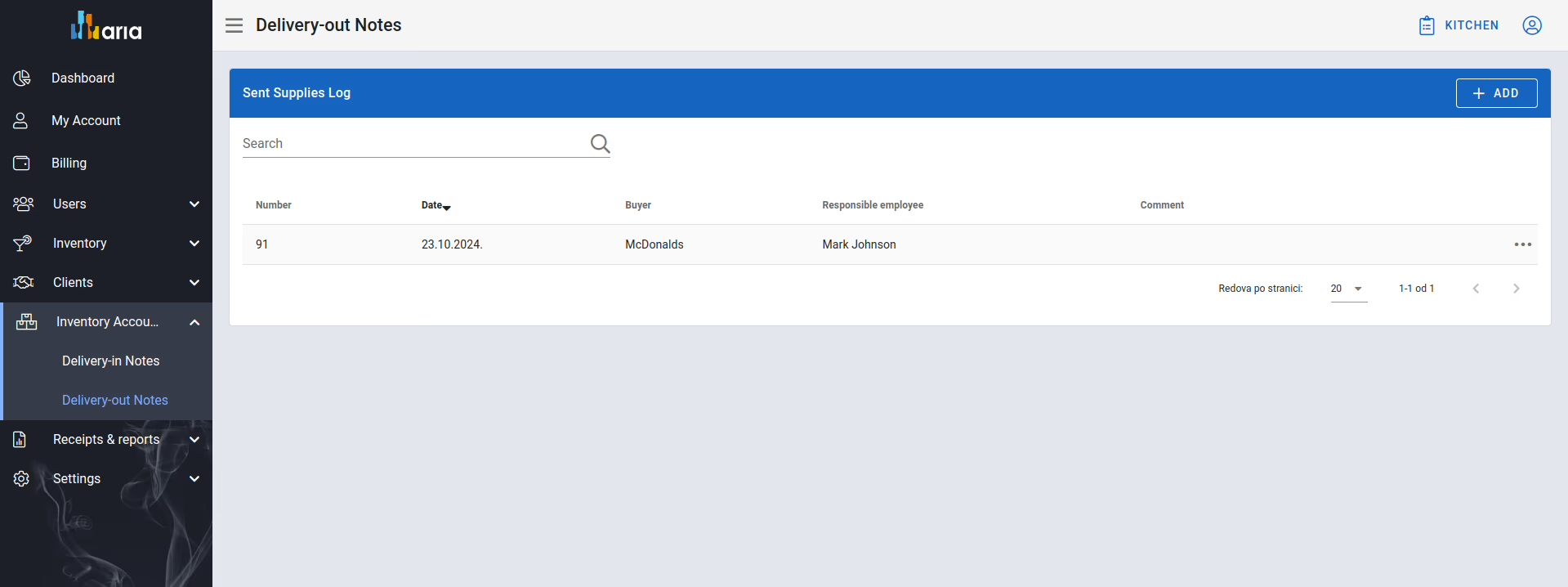
Delivery out notes
Add Delivery Out Note
Clicking the ADD button in the top right corner of the delivery out notes table opens the form for adding delivery out notes:
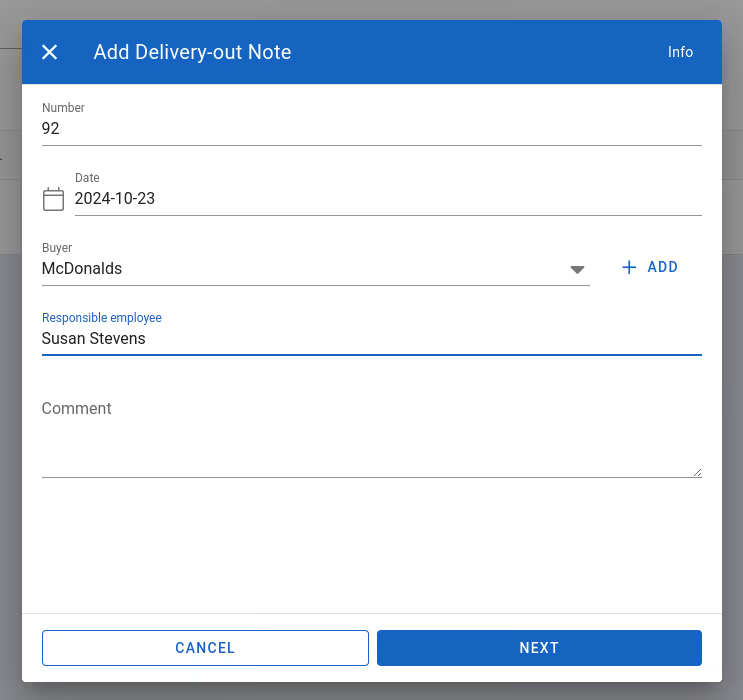
First part of the form for adding delivery out notes
The filled-out first part of the form looks like the image above. Clicking the NEXT button takes you to the second part of the form, with the fields for entering the quantities of specific items:
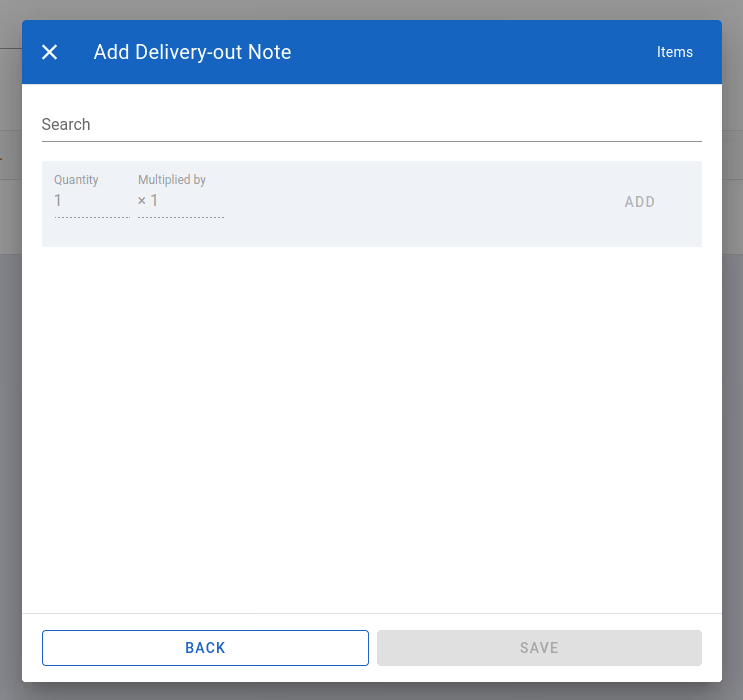
Second part of the form for adding delivery out notes
In the Search field, find the desired item, previously entered in the items section. Once you find it, click it, select the quantity, and finally click the ADD option. The form then looks like this:
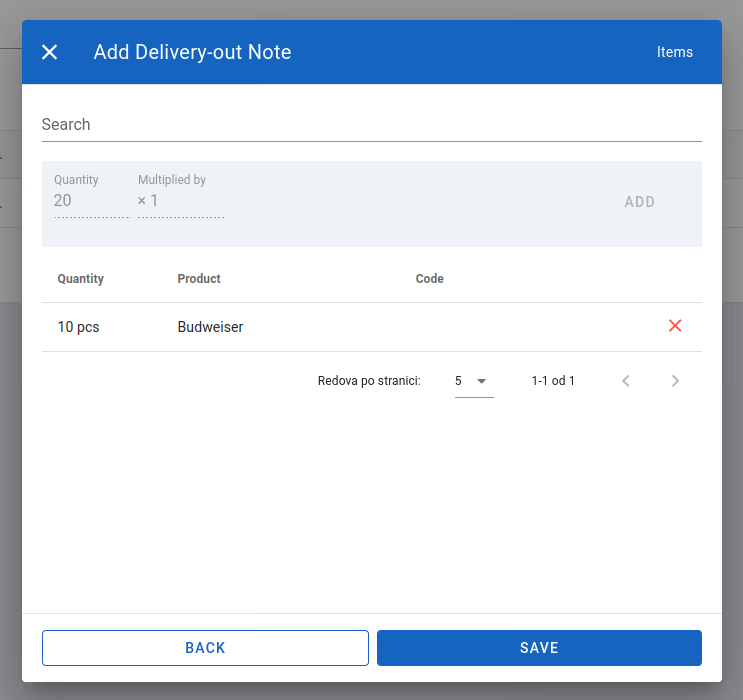
Successfully filled second part of the form for adding delivery out notes
There can be multiple items in this table. After entering all the items for the given delivery out note, clicking the SAVE button saves the entered data.
Options for Delivery Out Note Management
At the end of the row in the delivery out notes table are three dots — the options for managing a specific delivery out note:
Options for managing delivery out notes
Delivery Out Note Details
Clicking Details displays the details of the note:
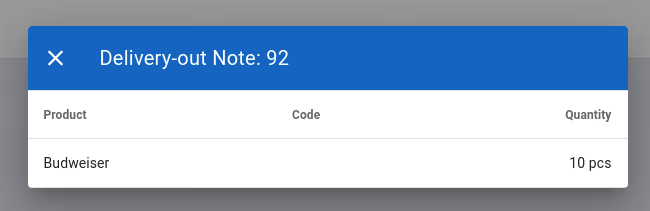
Details of the delivery out note
Printing Delivery Out Notes
Clicking PRINT opens the window for printing the delivery out note:
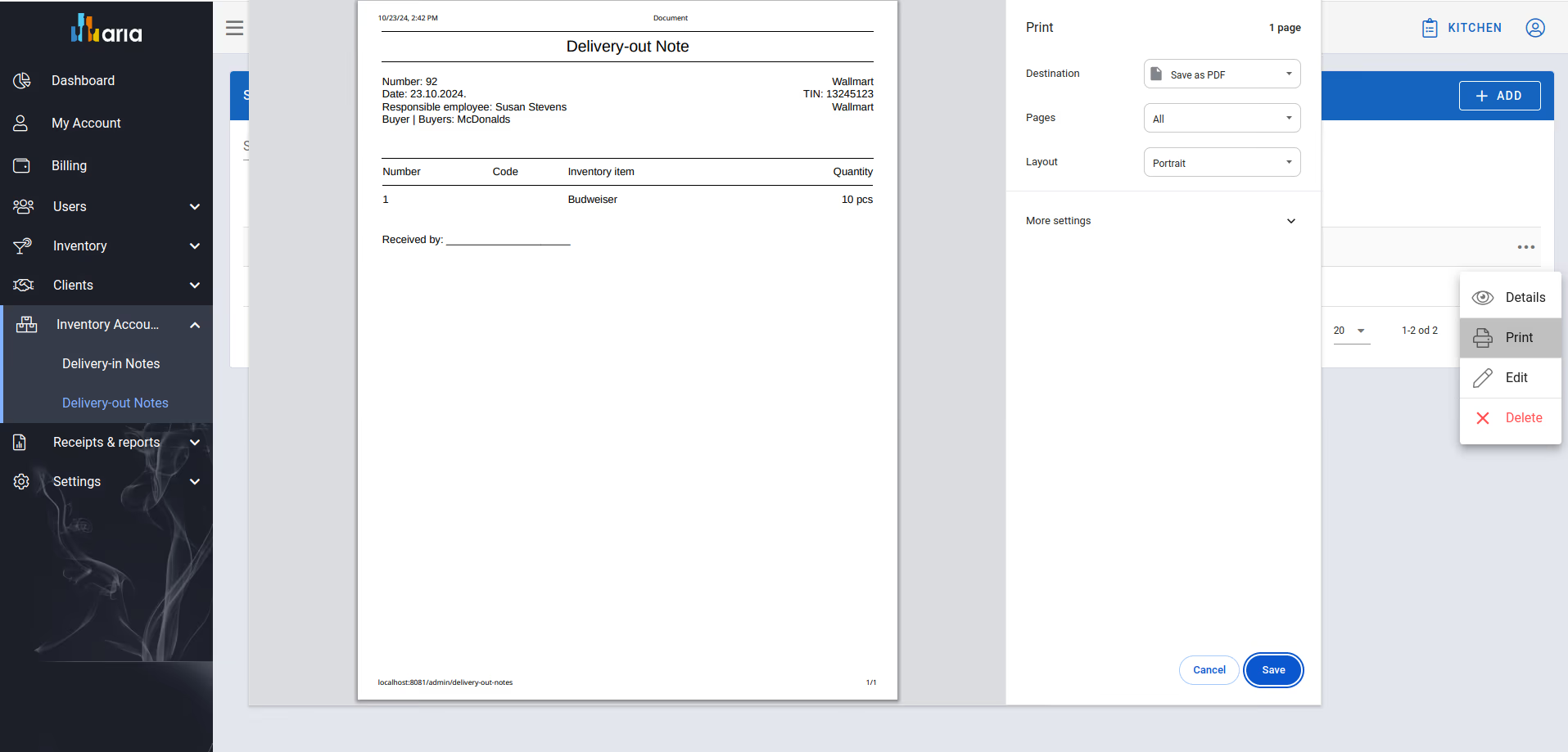
Window for printing the delivery out note
Edit Delivery Out Notes
The Edit option opens a form with the pre-filled data of the selected delivery out note:
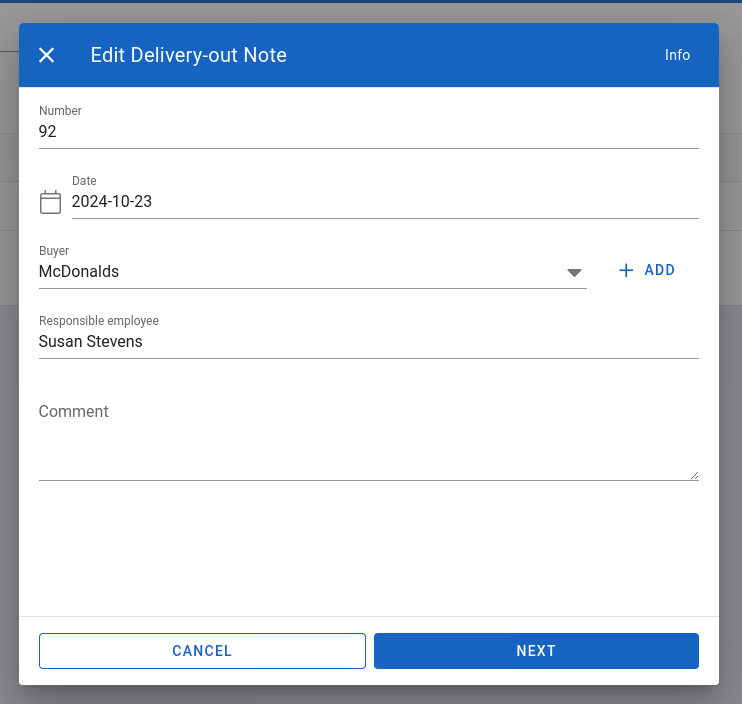
First part of the form for editing the delivery out note
To proceed to the second part of the form, click the NEXT button:
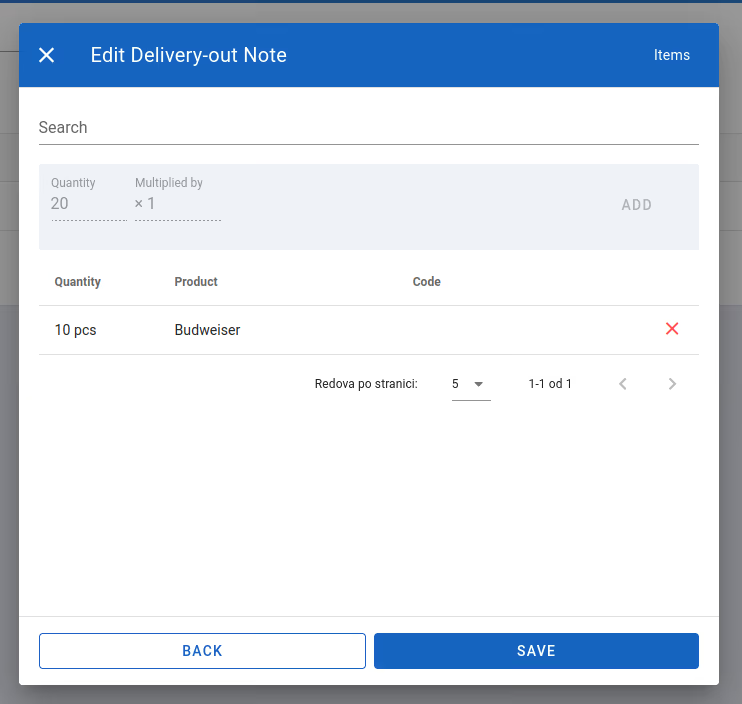
Second part of the form for editing the delivery out note
You can add new items to the note's list or delete old ones by clicking the X icon.
Once the appropriate fields have been edited, clicking the SAVE button saves the changes.
Delete Delivery Out Notes
The Delete option opens a confirmation window:
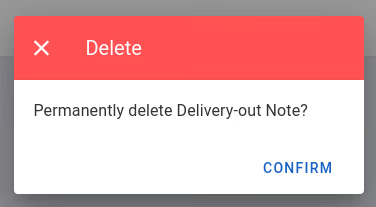
Window for confirming the deletion of the delivery out note
Upon confirmation, the delivery out note is permanently deleted from the system.
Beginning Inventories
Next up is Beginning Inventories — a list of all booked and unbooked beginning inventory states:
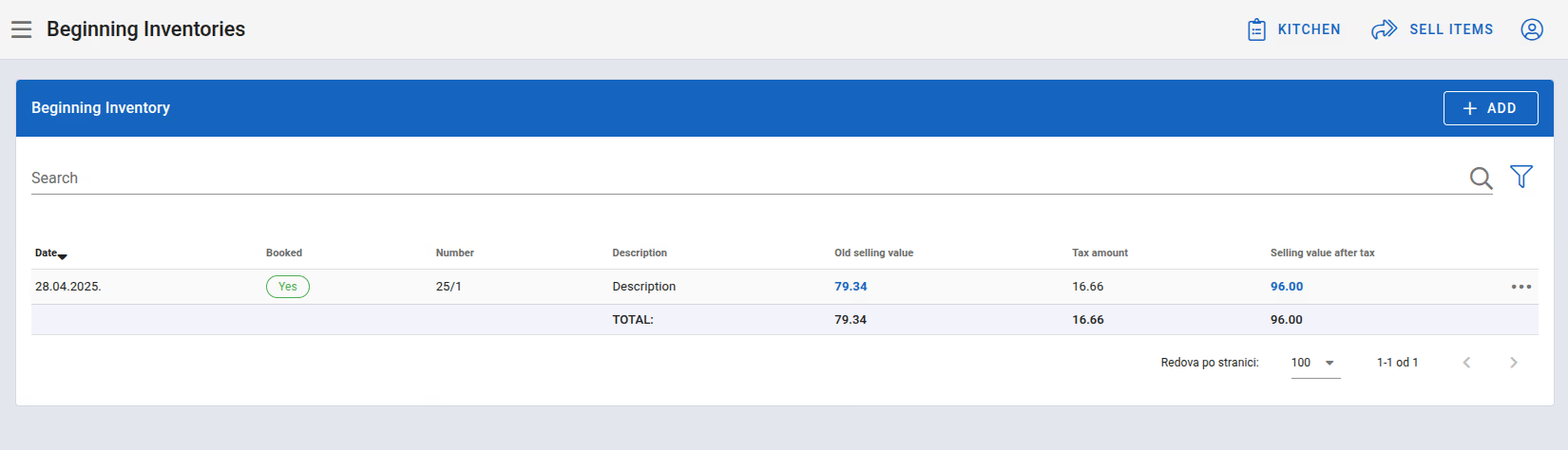
Beginning inventory states of all items
Search and Filter Beginning Inventories
Searching is done by entering the description of the beginning inventory in the Search field above the table. In addition, you can search by clicking the funnel icon to the right of the Search field — an area with additional filters opens above the table:
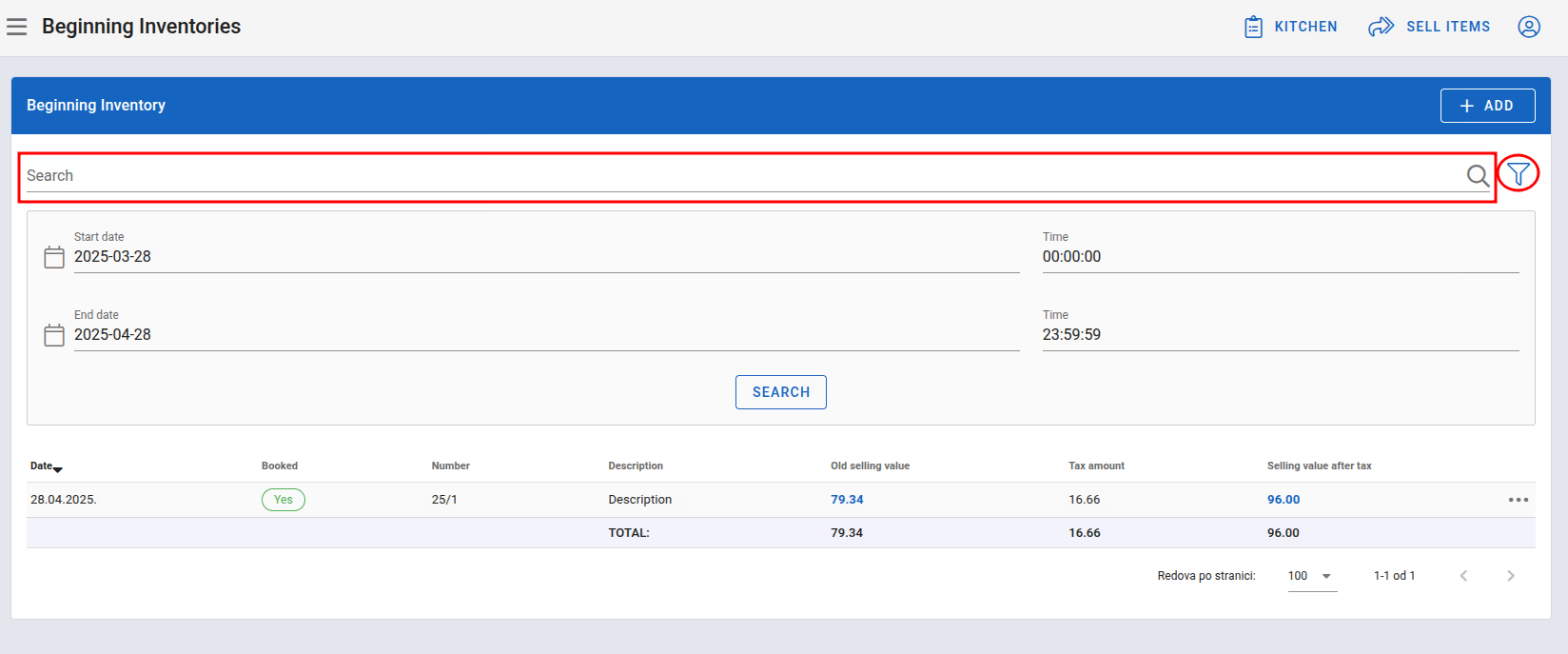
Additional filters
You can search by start and end date, as well as the time for those two dates. Select the desired filter values and click the SEARCH button — the system performs the search and displays the results.
Add New Beginning Inventories
Clicking the ADD button in the top right corner above the table shows two options:
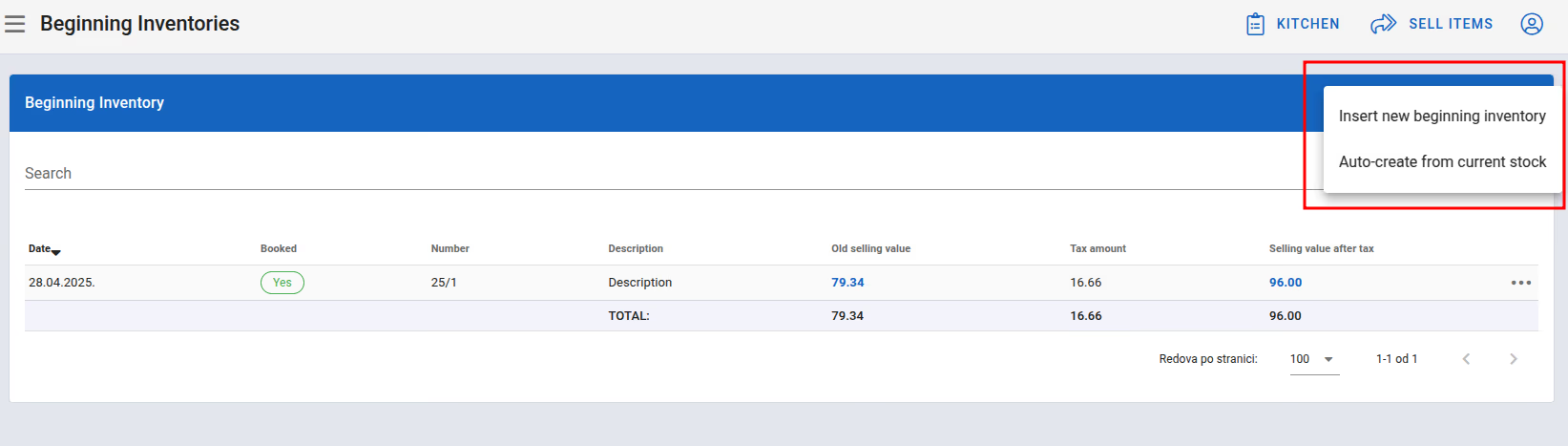
Options for adding new beginning inventory
Insert New Beginning Inventory
The first option displays the following screen:
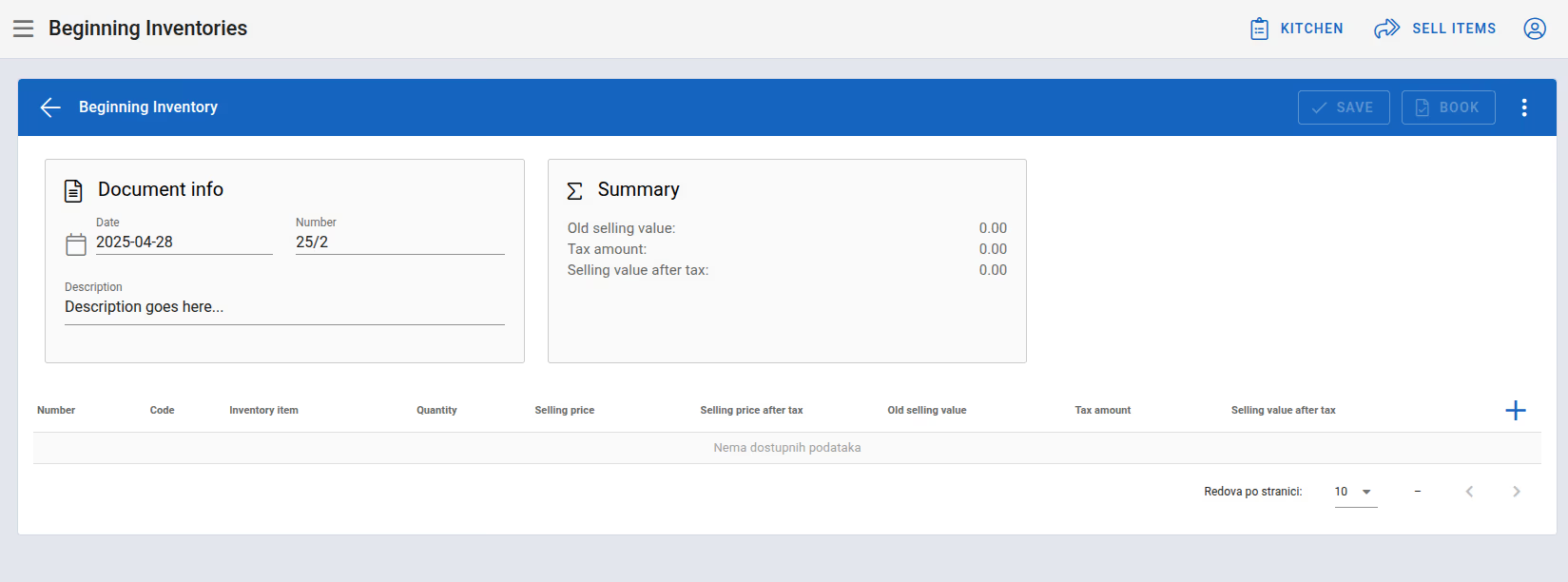
Overview and adding new beginning inventory
On this page you create beginning states for specific items, with the option to book or unbook the document.
Clicking the + icon in the middle of the screen, on the right below the form, opens the form for adding an item's beginning state:
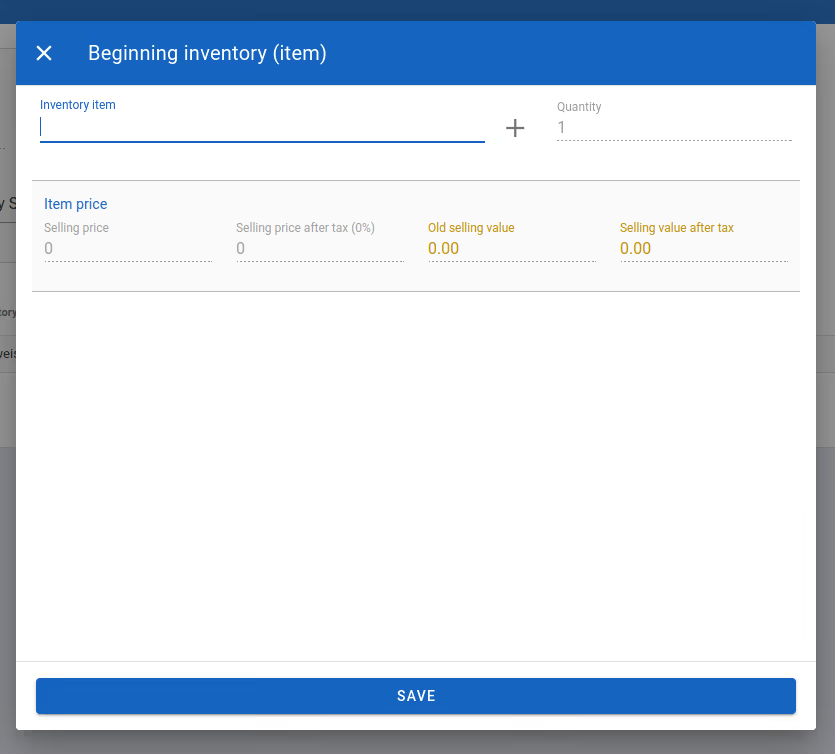
Form for adding the initial state of an item
In the example, the beginning state for Carlsberg is set to 100 units:
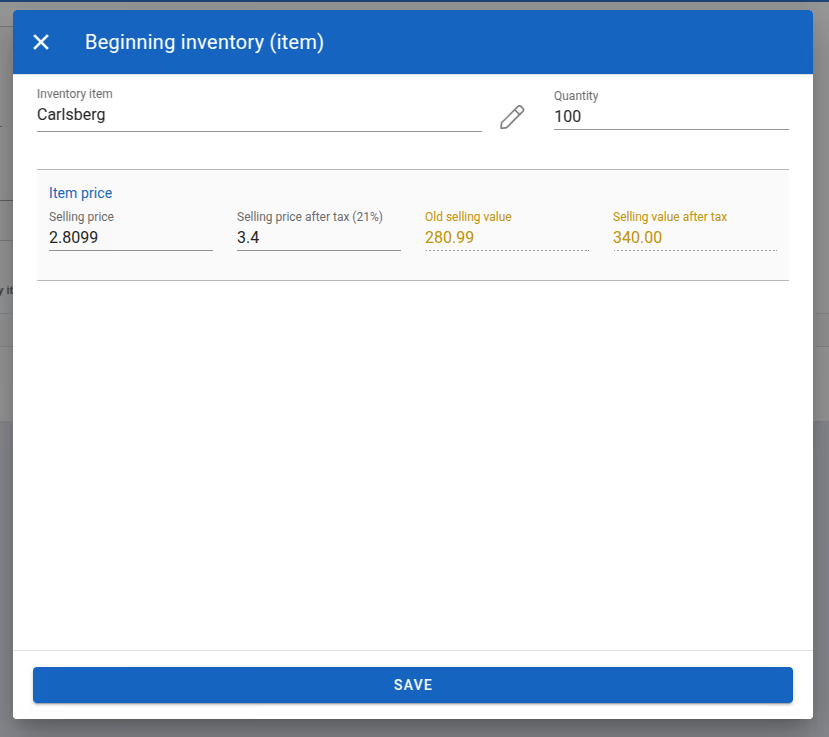
Completed form for adding the initial state of an item
Clicking SAVE saves the new beginning state, which is then displayed in the table.
Book Beginning Inventory
The document can then be booked: in the form above the table, optionally enter a Description (not mandatory) and a Number, then click the BOOK button:
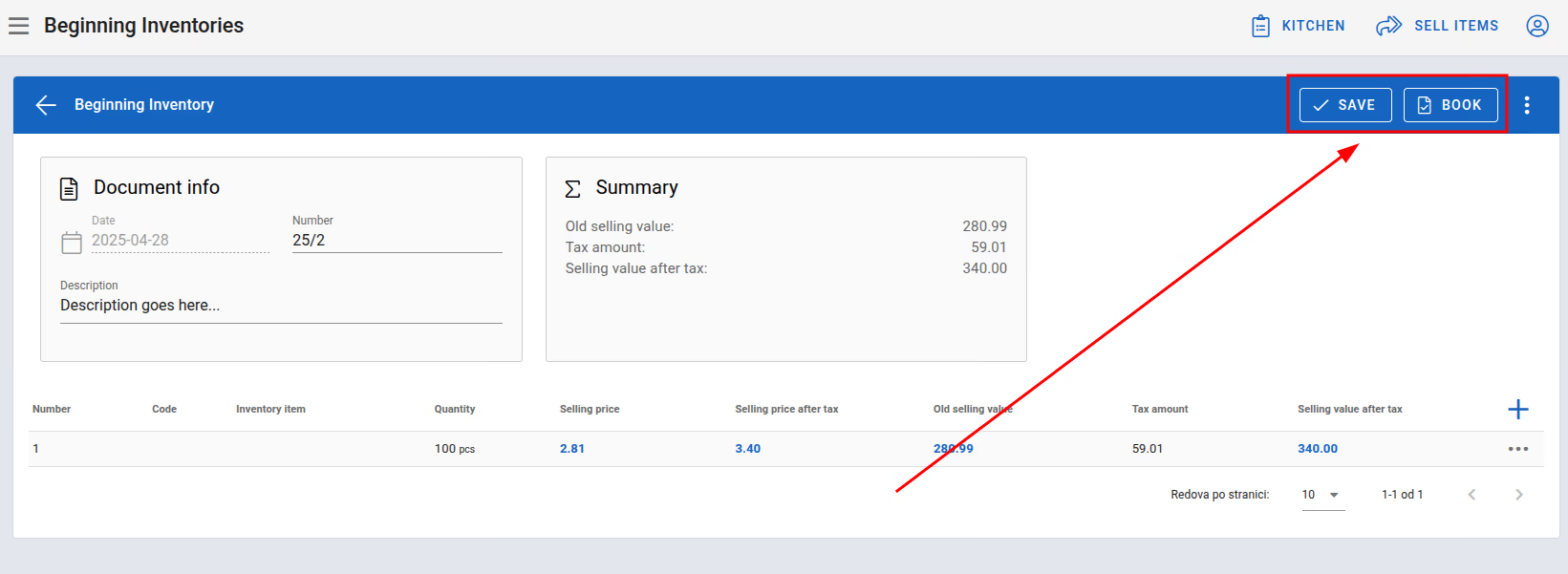
Book option
This books the document.
If you do not want to book it yet, click the SAVE button — the entered beginning states are saved without booking.
Auto-Create From Current Stock
The second option: the system automatically creates the beginning inventory based on the current stock.
Options for Beginning Inventory Management
At the end of the row in the beginning inventory table are three dots — the options for managing the beginning inventory:
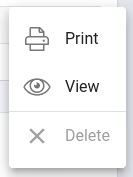
Options for managing the beginning inventory
Print Beginning Inventory
The Print option prints the beginning inventory.
View Beginning Inventory
The View option displays the details of the beginning inventory state, as well as whether the document has been booked or not. If the document is booked, there is an option to UNBOOK it; if not, the option to book it is available.
Delete Beginning Inventories
Important
Only beginning inventory states that are not booked can be deleted.
The last option, Delete, opens a confirmation window:
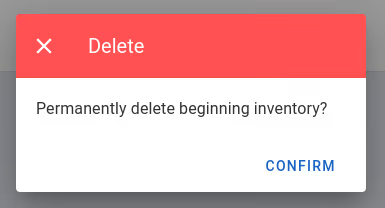
Confirmation window for deleting the beginning inventory
By confirming, the beginning inventory is permanently deleted from the system.
Price Calculations
The Price Calculations page displays a list of documents that show the difference between purchase and sale prices:
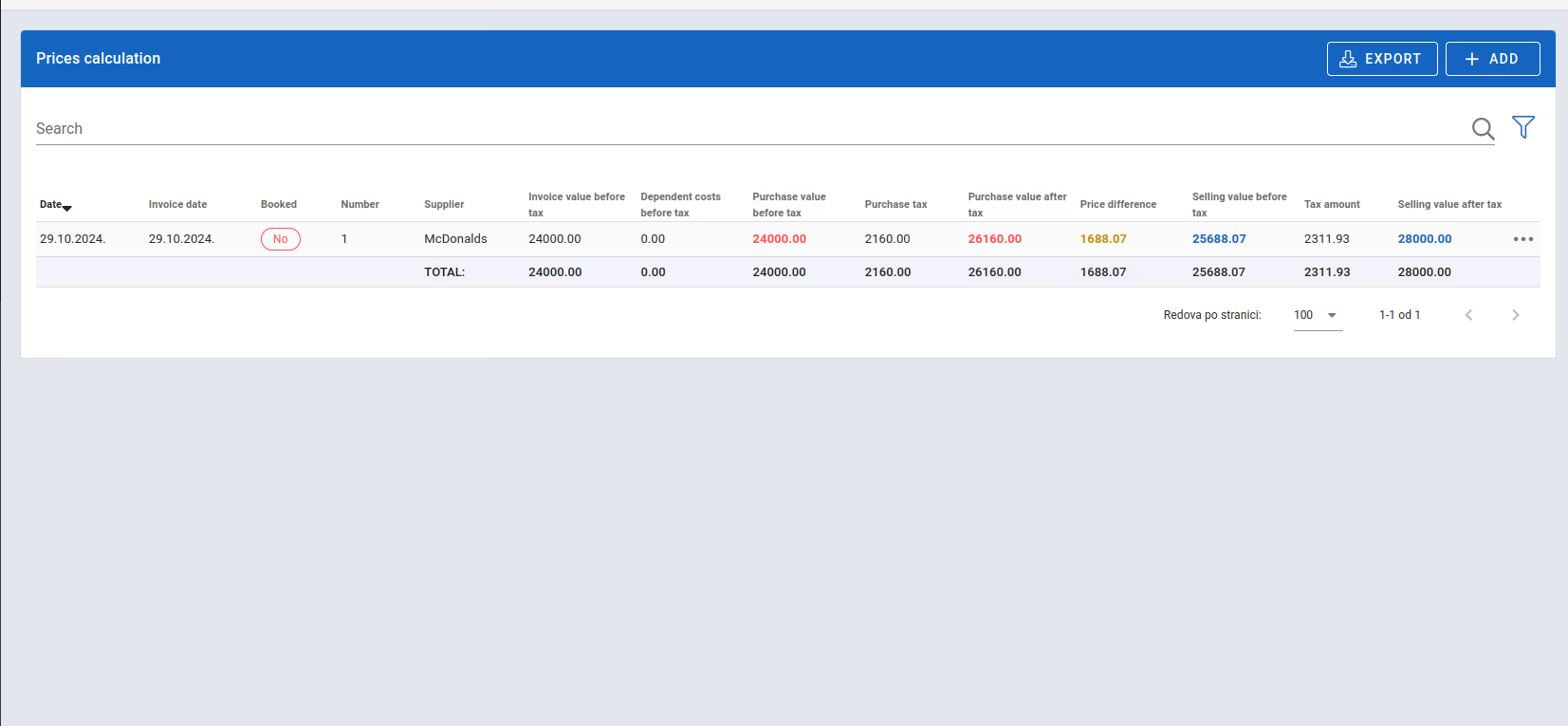
Price Calculations
The purchase value is displayed in red, the sale value in blue, and the price difference in yellow.
Search and Filter Price Calculations
Search by description or number by entering a term in the Search field:
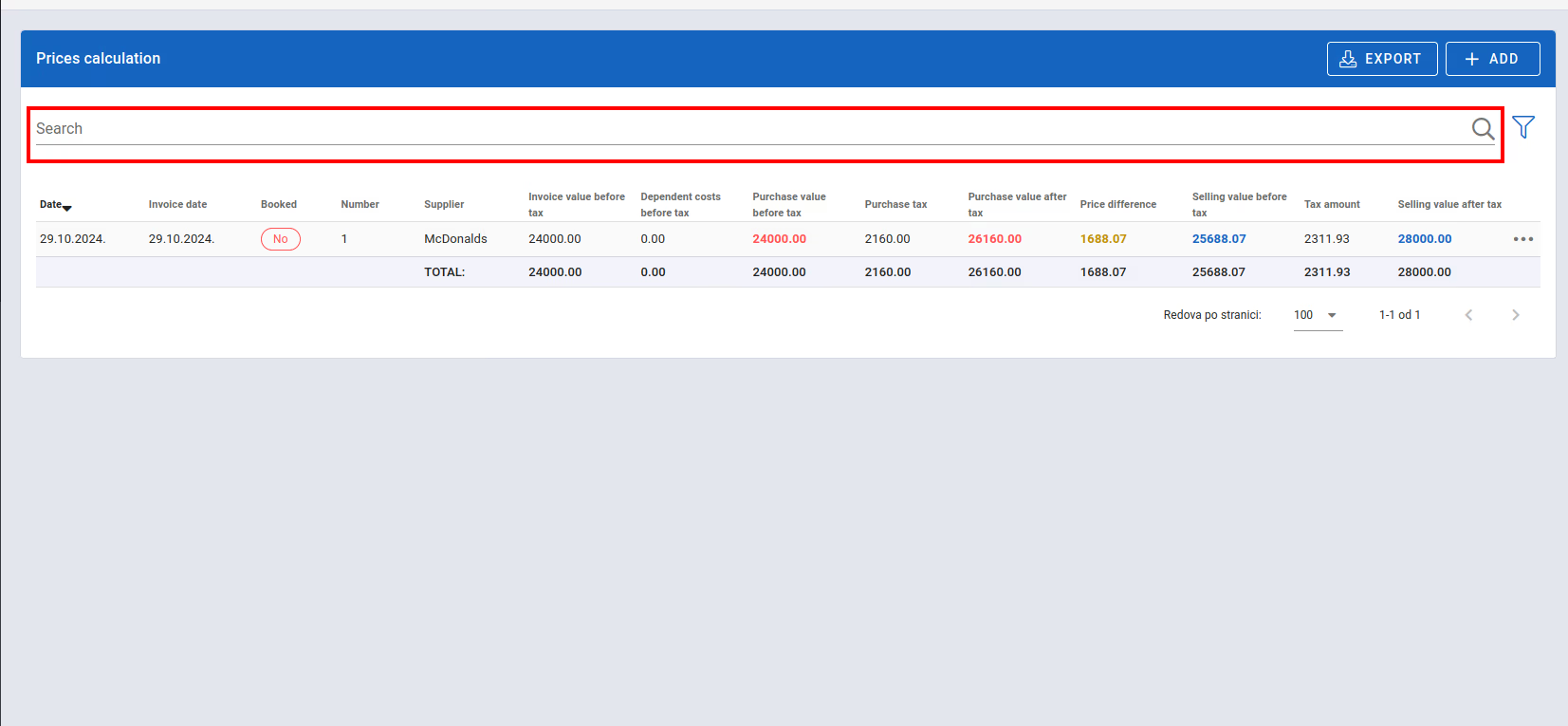
Search Field
Advanced search is enabled by clicking the funnel icon:
Funnel Icon
A section with filters opens above the price calculation table:
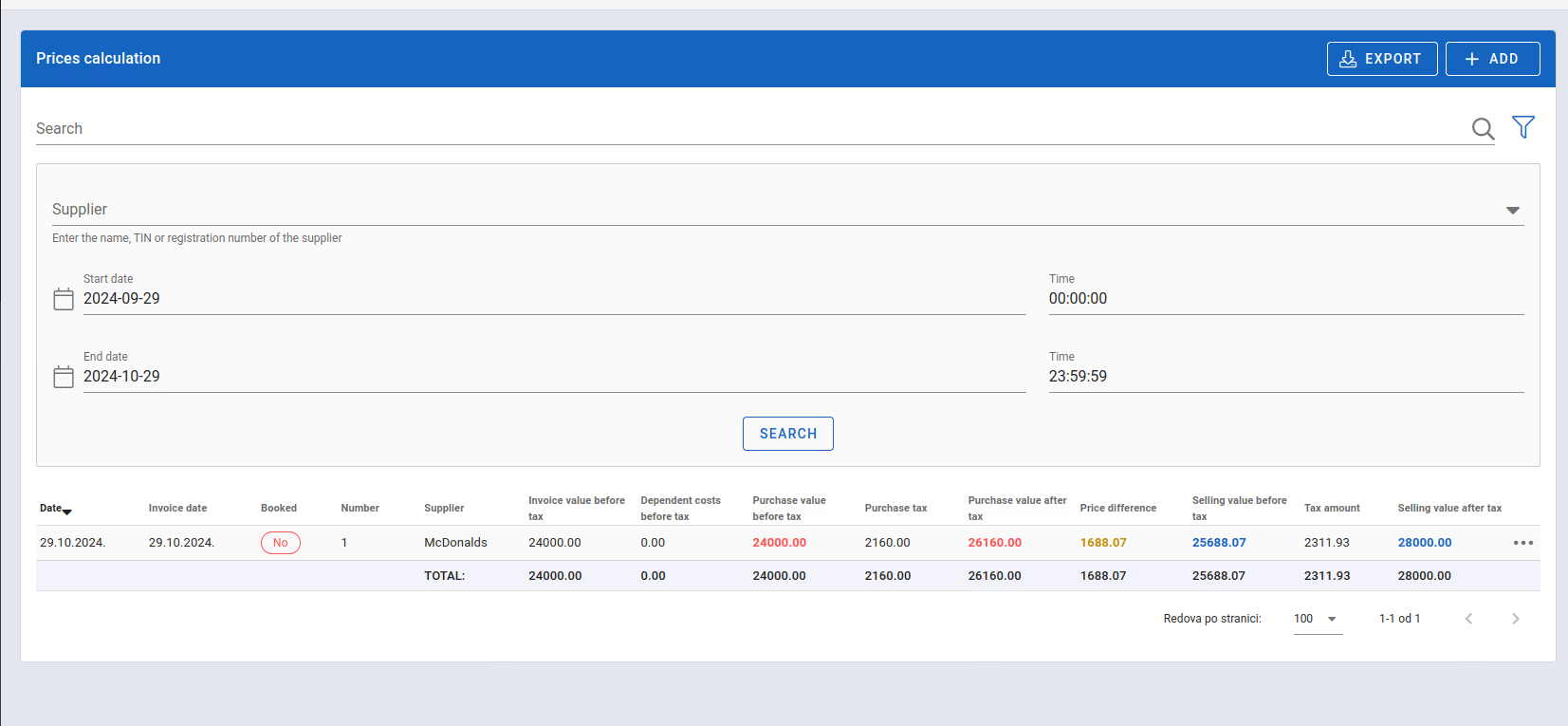
Filters
In addition to the filters for start and end date and their time, you can also search by supplier, by entering the name in the first field, Supplier. Select the desired filters and click SEARCH.
Export Price Calculations
Above the table, on the right, there are two buttons: EXPORT and ADD. Clicking Export downloads an Excel file with all price calculations to your computer.
Add Price Calculation
Clicking the ADD button opens the page for creating a new price calculation:
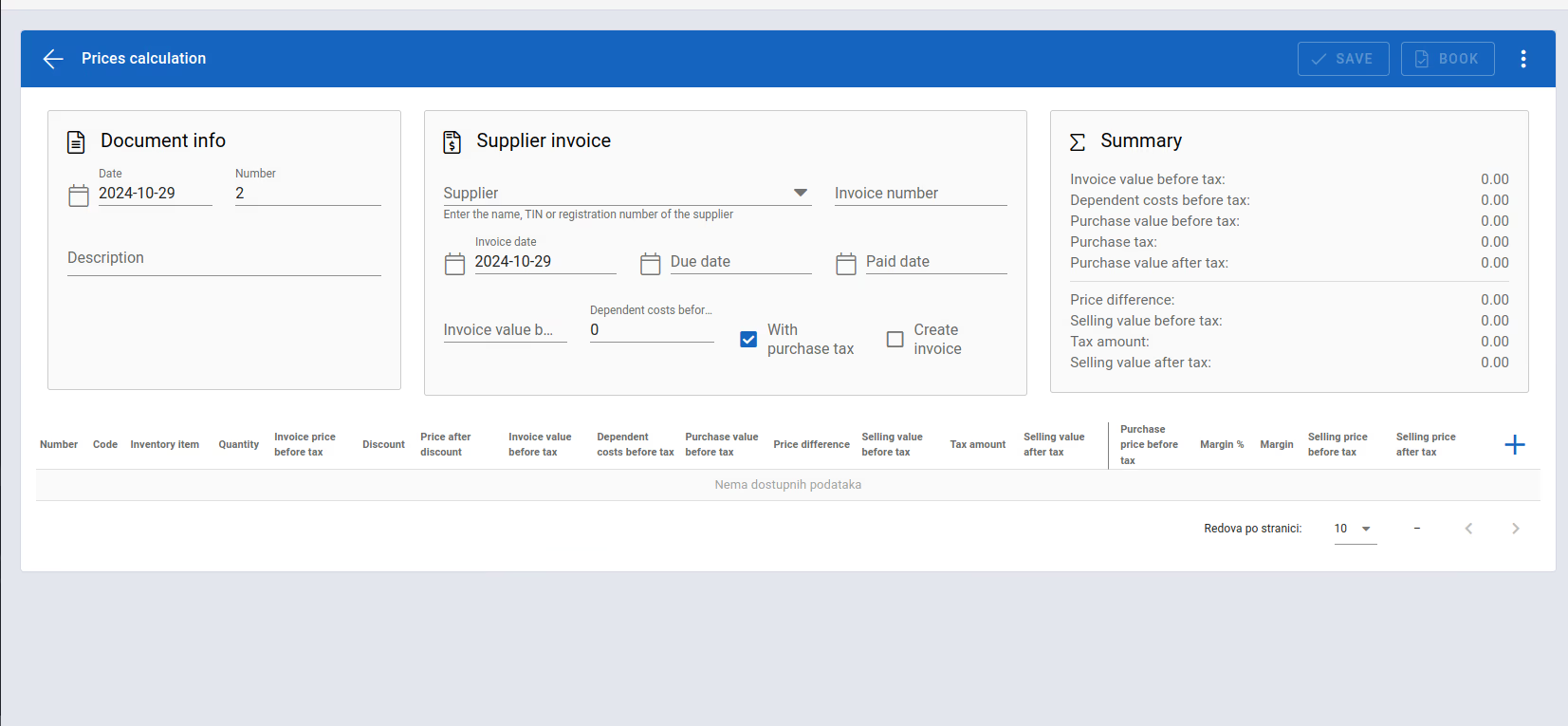
Page for Adding a New Price Calculation
The page consists of several parts. The first part — above the table — is the general information about the document: first fill in the Document number and description, then the details of the Supplier Invoice.
After filling out these two sections, the form looks like this:
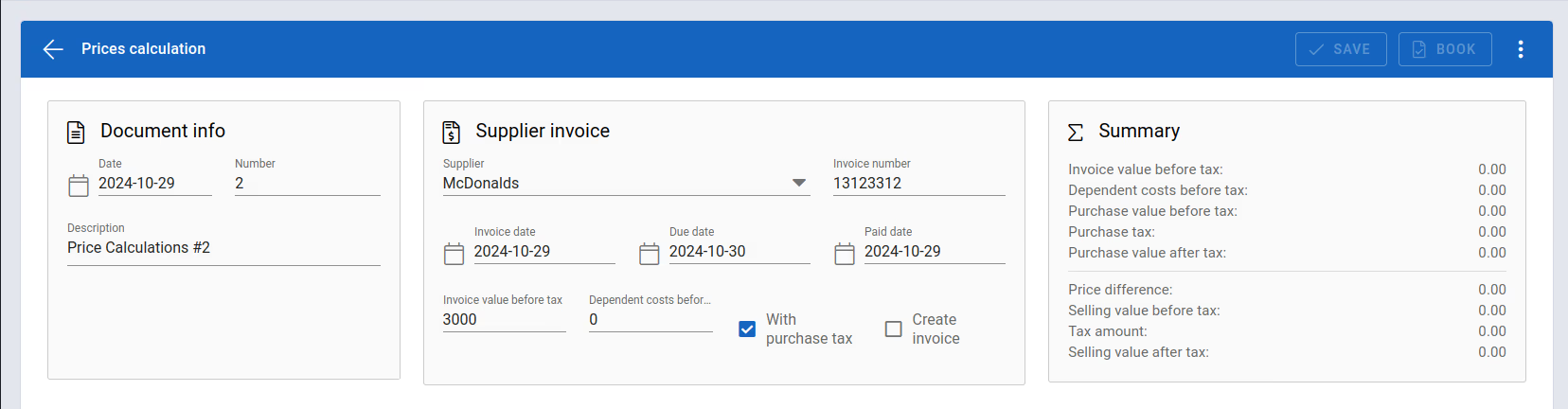
Completed First Part of the Price Calculation Form
Next, add the items whose price you are calculating: click the + icon at the bottom right, below the filled form:
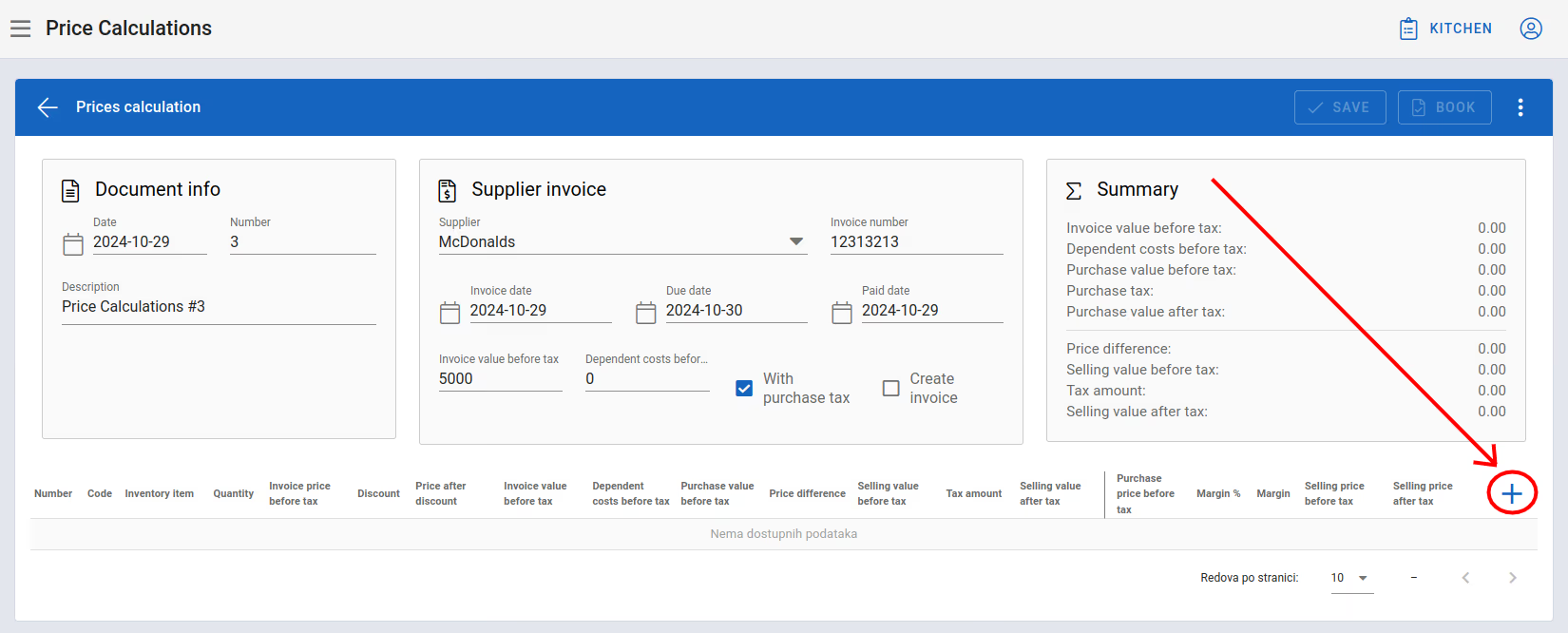
+ Icon
A window for calculating the item price opens:
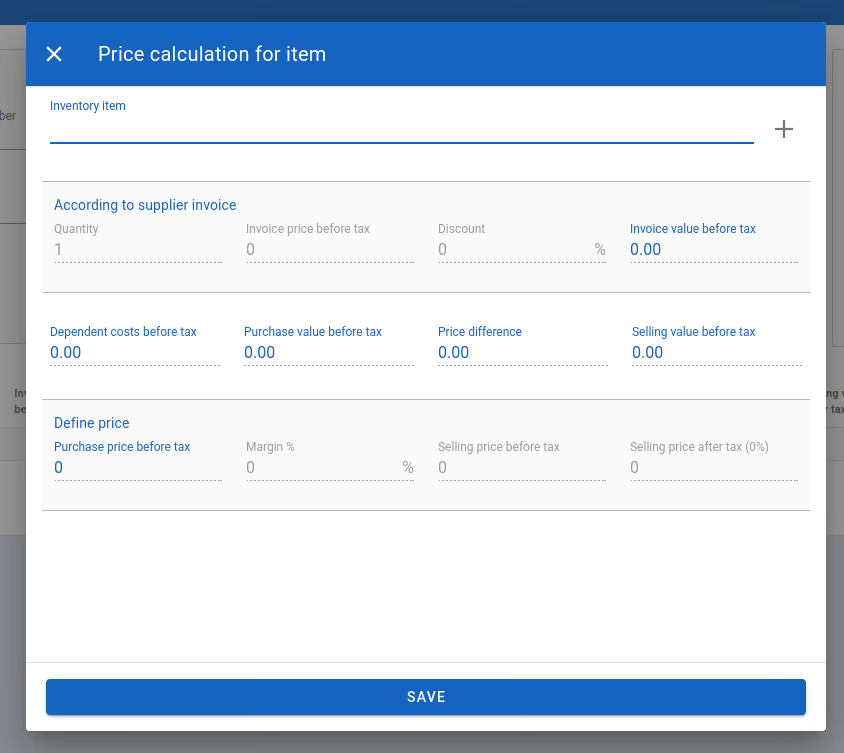
Item Price Calculation Window
First, enter the item in the Inventory Item field. New items can also be created right here — clicking the + icon next to the item field opens the form explained in the section for adding items.
Next, enter the item quantity, the invoice price before tax, the discount, and the invoice value before tax.
A completed item price calculation form looks like this:
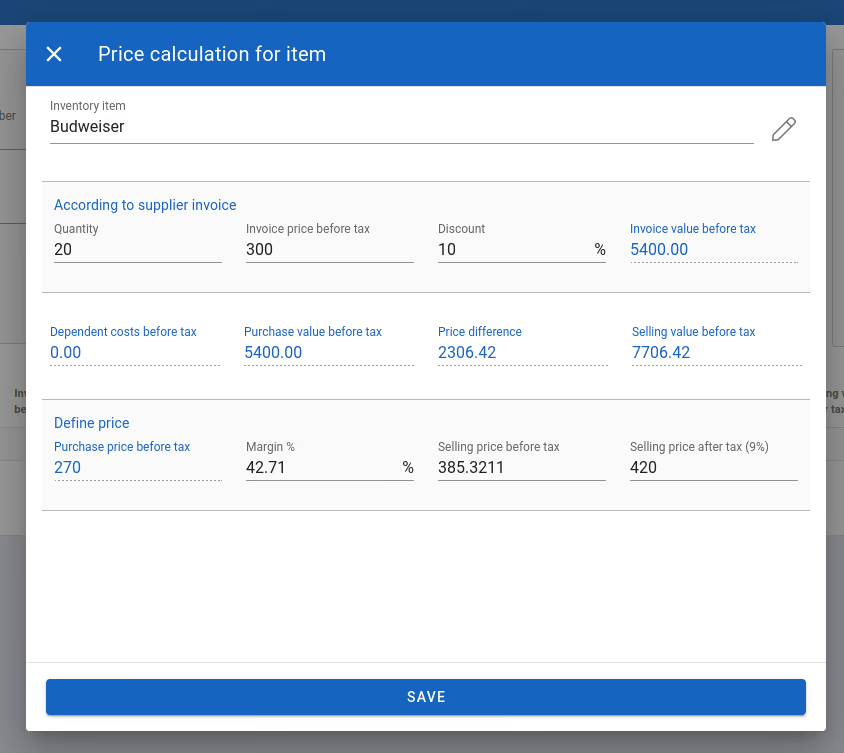
Completed Item Price Calculation Form
Click SAVE to add the item price calculation to the document:
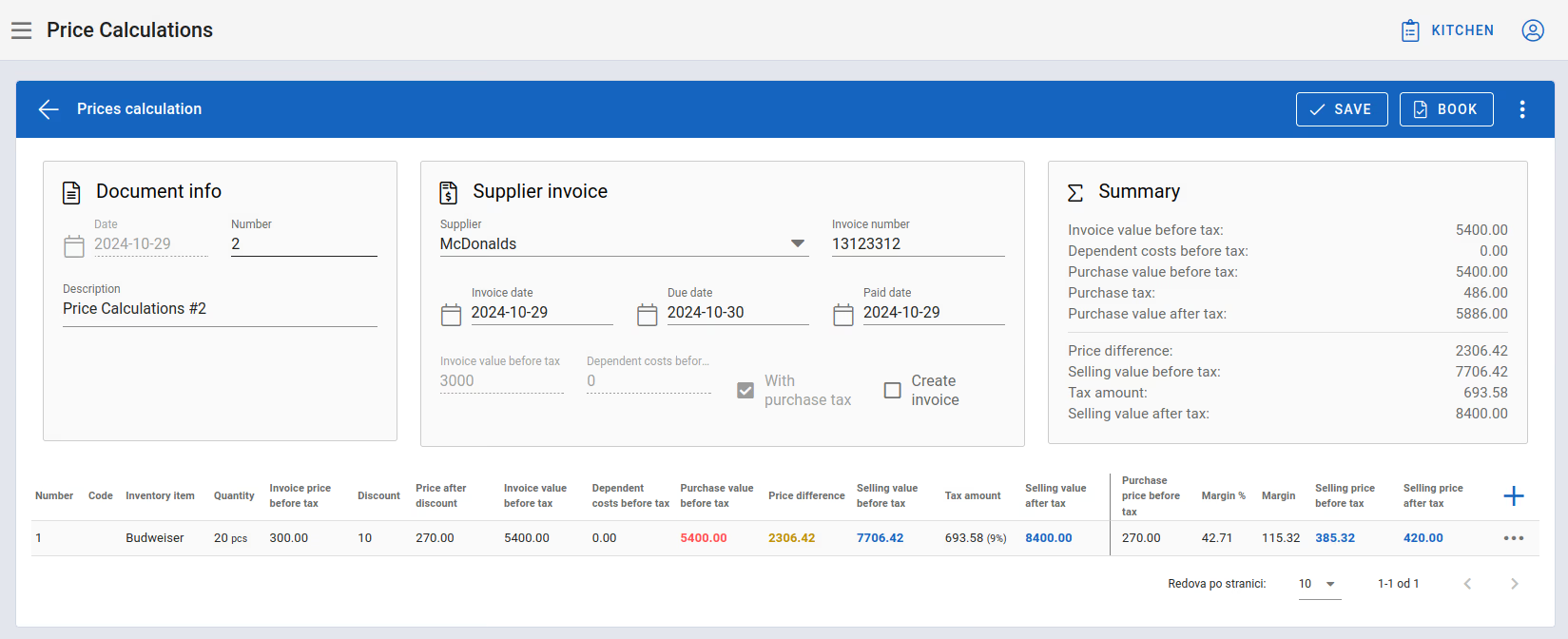
Page After Completing Both Forms
The document can then be SAVED and BOOKED — these two options are in the top right corner above the form:
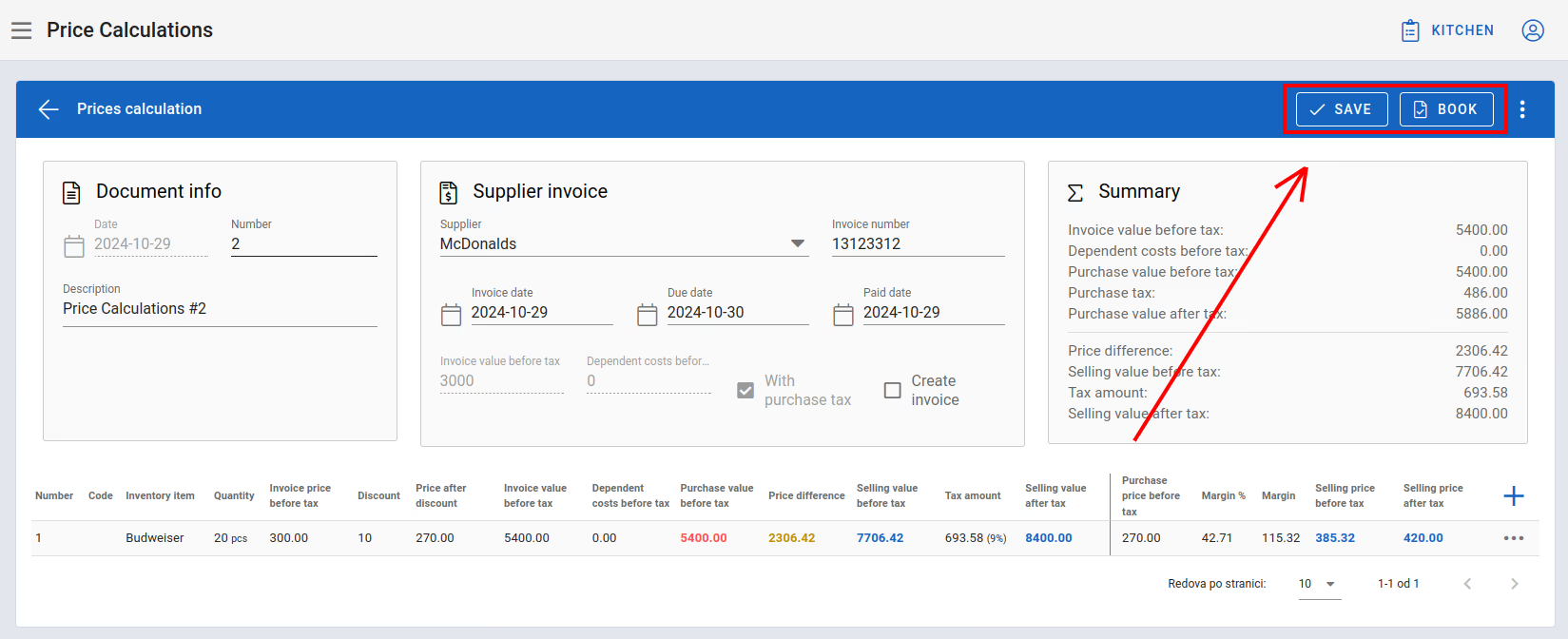
Save and Book Options
Clicking the three dots next to these options also offers printing the document — possible only if the document is booked.
In the example, the document is booked, after which the application returns to the main Price Calculations page.
Options for Price Calculations Management
You access the price calculation management options by clicking the three dots in the last column of the table:
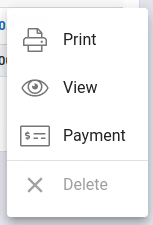
Price Calculations Management Options
Note
A booked document cannot be deleted; an unbooked document cannot be printed.
Print Price Calculation
The first option opens the window for printing the price calculation document:
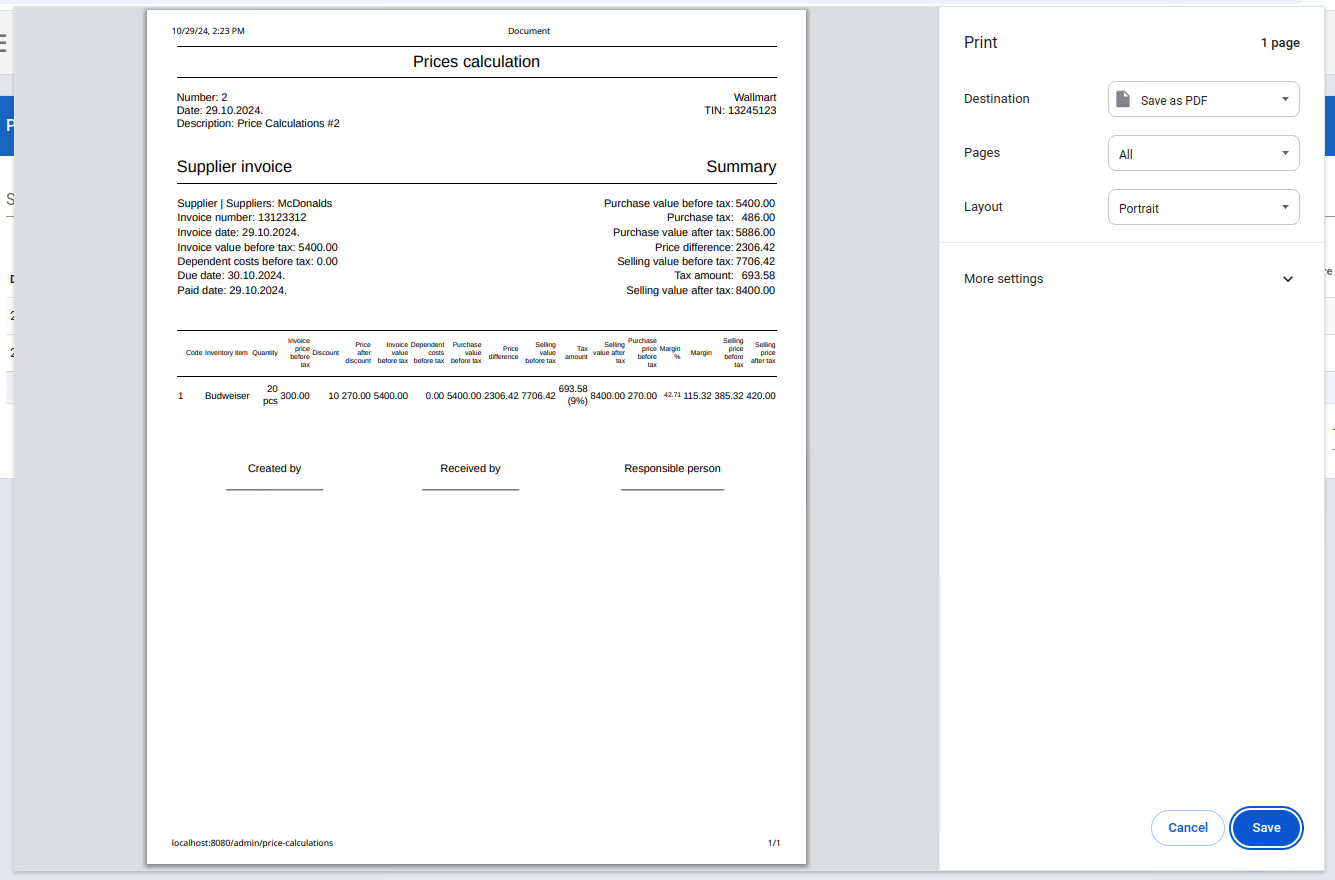
Print Screen
View Price Calculation
For the second option, View, there are two cases: viewing a booked document and viewing an unbooked one.
Viewing a previously booked document shows the following screen:
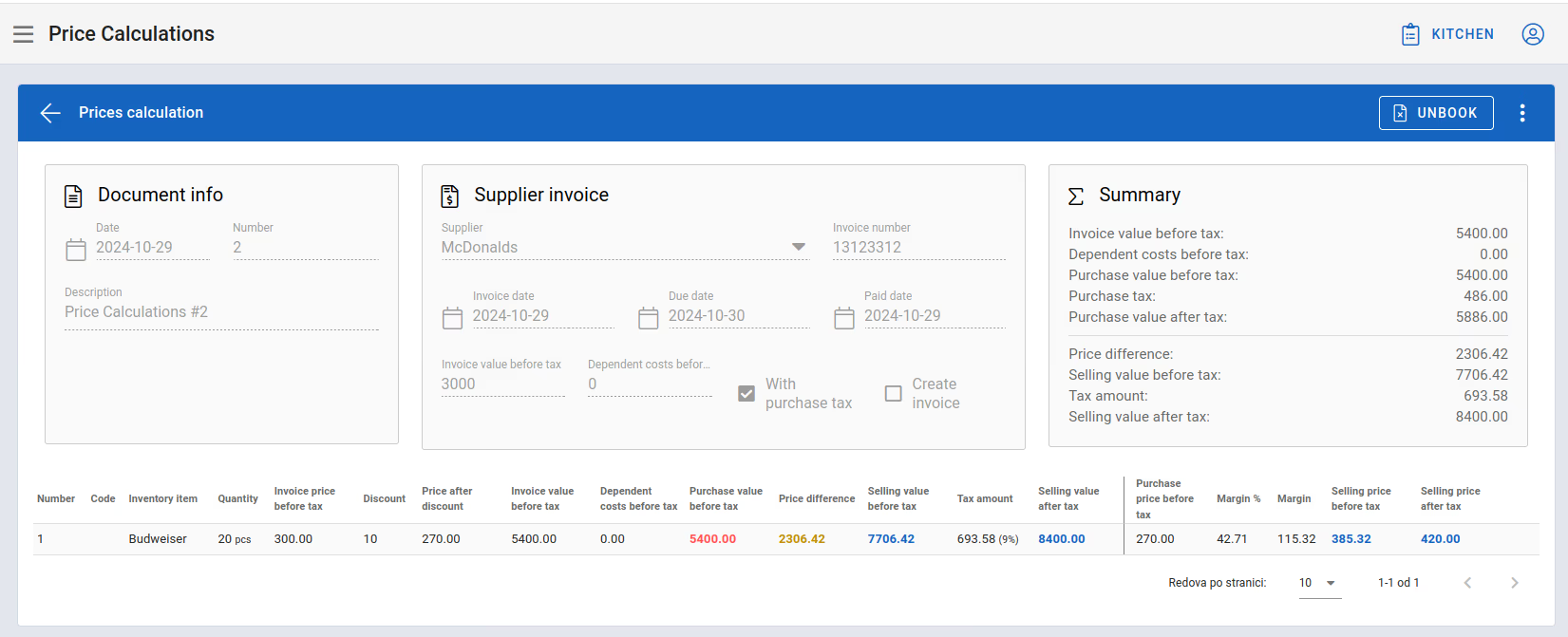
Page for Editing a Previously Posted Price Calculation Document
Editing the document is not possible until it is unbooked — via the UNBOOK button in the upper right corner.
Viewing a price calculation that was not previously booked shows:
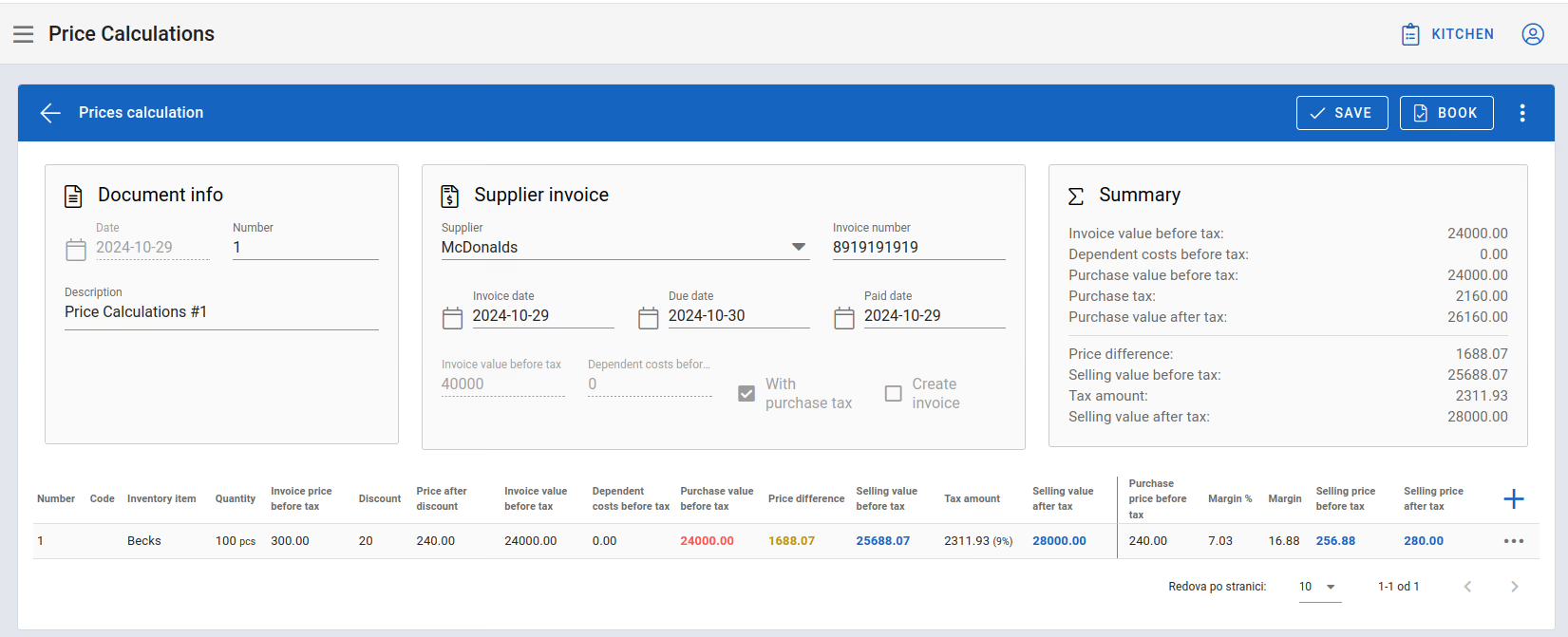
Page for Editing a Previously Unbooked Price Calculation Document
For an unbooked document it is possible to:
- book the document with the BOOK button in the upper right corner
- edit the document information and supplier invoice details
- add new items by clicking the + icon above the table on the right
- modify or delete the existing price calculations for items
Modifying or deleting the existing item price calculations is done by clicking the three dots in the last column of the item table, in the row of the item you are editing or deleting:
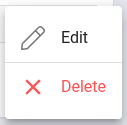
Options for Managing Item Price Calculations
Edit Price Calculations for an Item
The first option, Edit, opens the screen for editing the item's price calculation:
Edit Screen for Item Price Calculation
After making the desired changes, click SAVE — the window closes and the changes are saved.
Payment
The Payment option opens a window where you define the payment date of the price calculation's incoming invoice:
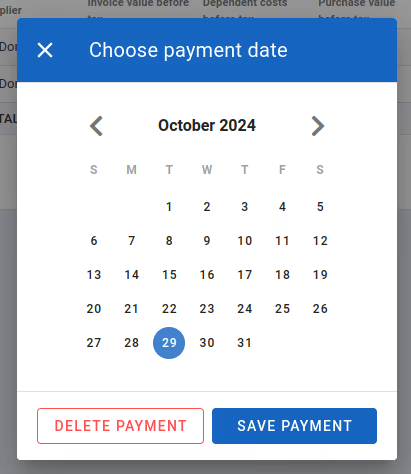
Payment Window
Clicking SAVE PAYMENT registers that the payment has been made.
Delete Price Calculations for Items
Items are deleted from the price calculation list by clicking Delete in the item price calculation management options.
Important
After making any changes to the price calculation, click the SAVE button in the upper right corner — otherwise the changes will not be saved.
Price Levelings
The Price Levelings page displays a list of all documents that record price changes for items:
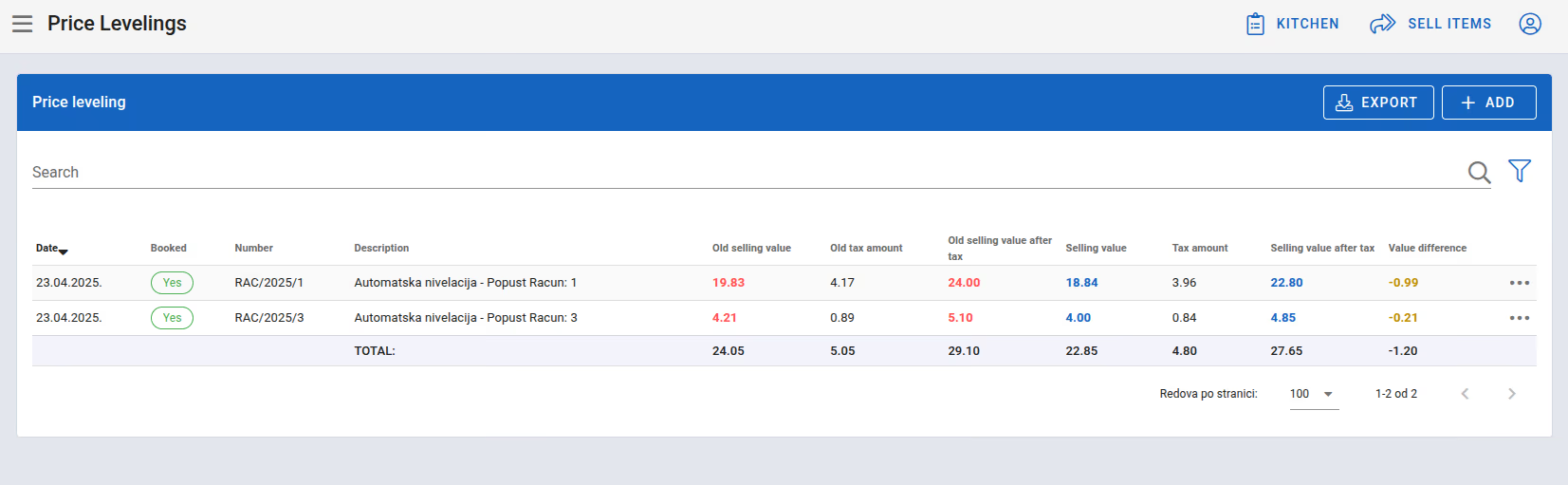
Price Levelings Page
The old selling value is shown in red, the current selling value in blue, and the value difference in yellow.
Search and Filter Price Levelings
Search by description or number by entering a term in the Search field above the table. Advanced search is available by clicking the funnel icon — a filter section appears above the table:
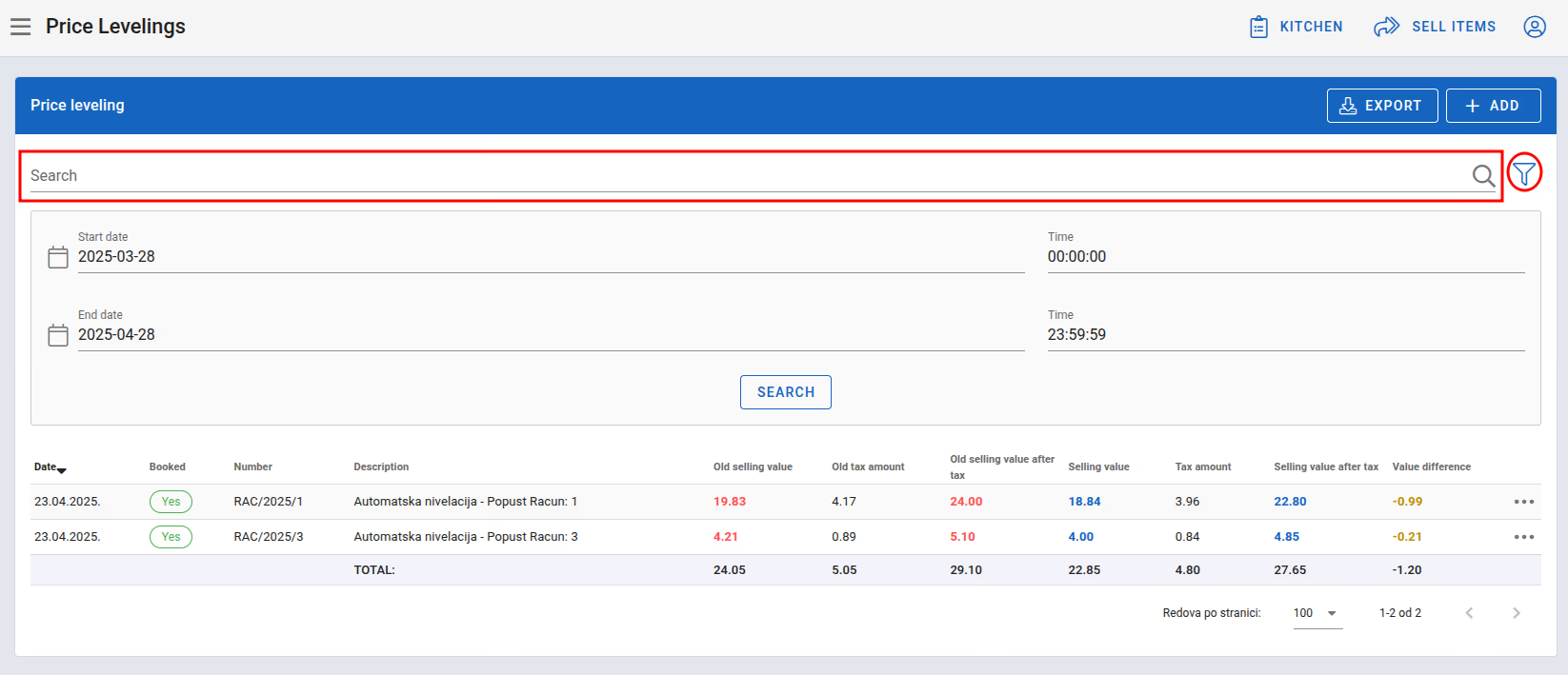
Filters for Advanced Search in Price Levelings
You can search by start and end dates, and the times of those dates. Select the filter values and click SEARCH.
Export Price Levelings
To save the data from the table in an Excel file, click the EXPORT button:
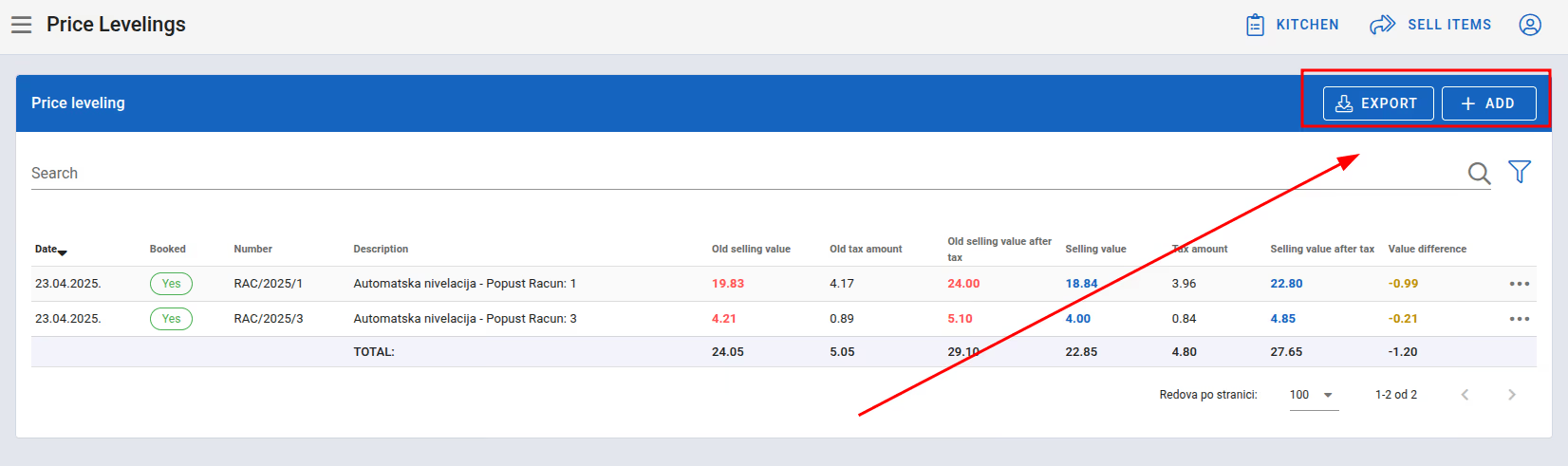
Price Levelings Export Button
The file is then downloaded to your device.
Add Price Leveling
To add a new price leveling document, click the ADD button next to the export button. The application displays the following screen:
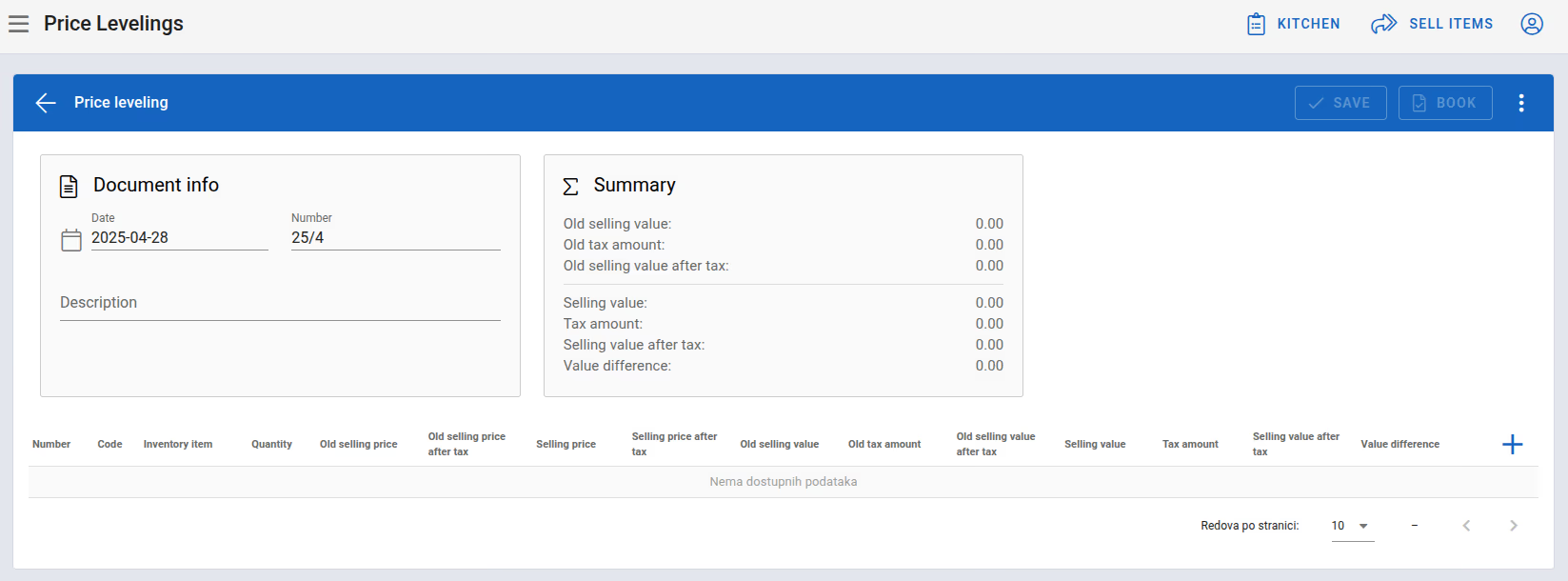
First Part of Form to Add a New Price Leveling Document
First, enter the basic document information: Date, Number, and Description:
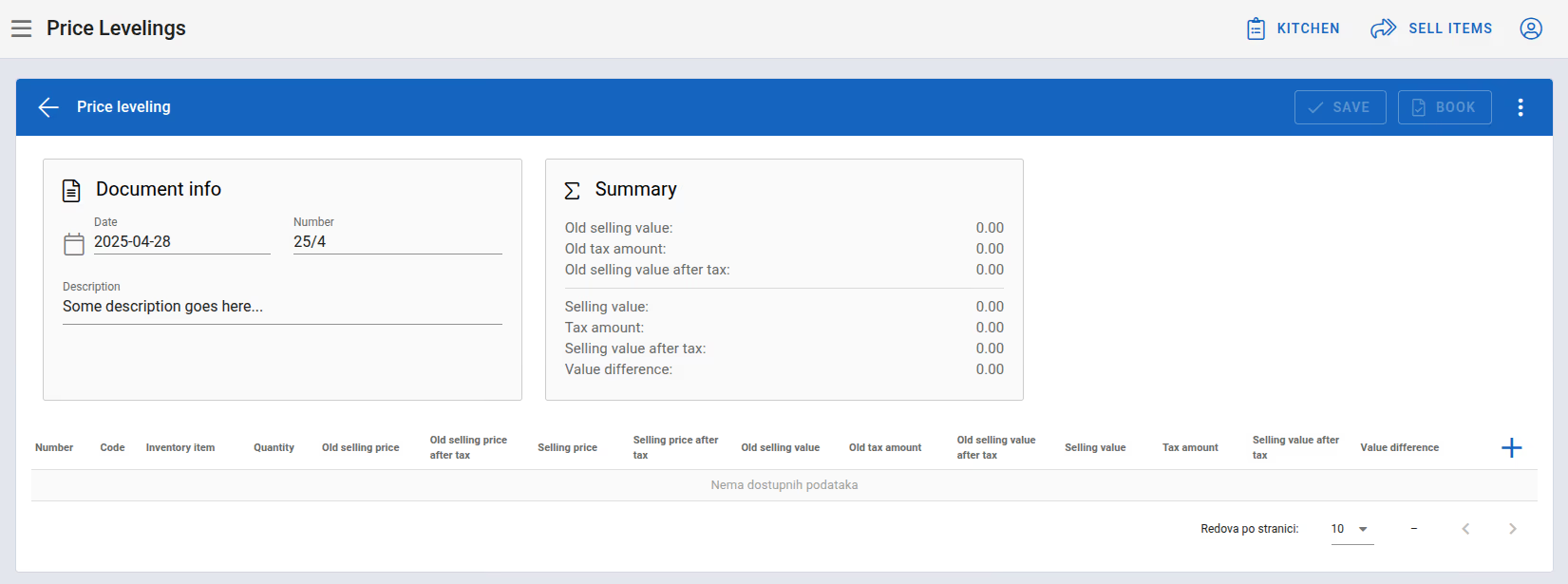
Completed First Part of Price Leveling Document Form
Then click the + on the right side of the screen, below the completed form — the second part of the form opens:
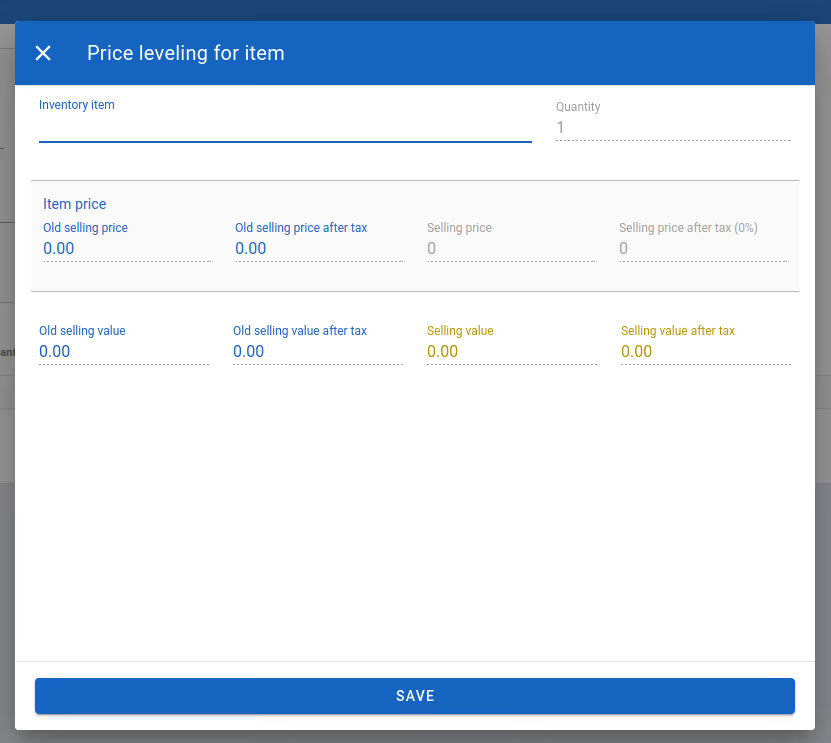
Second Part of Form to Add a New Price Leveling Document
In the Inventory Item field, enter the item for which the price leveling is being created. Once an item is selected:
- the Quantity field is auto-filled with the current stock quantity (modifiable)
- Old selling price and Old selling price after tax are auto-filled
- Old selling value and Old selling value after tax are also auto-filled
Next, enter the new selling price in the Selling price field — the Selling price after tax, Selling value, and Selling value after tax fields are filled automatically.
The completed second part of the form looks like this:
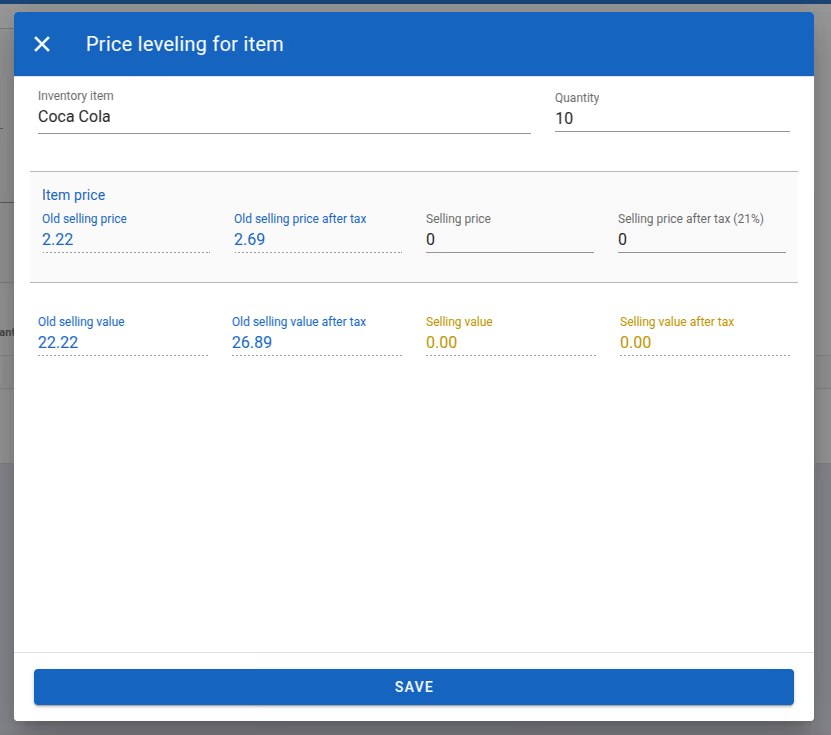
Completed Second Part of Price Leveling Document Form
Click SAVE to save the item for price leveling; additional items can be added if necessary. The screen then looks like this:
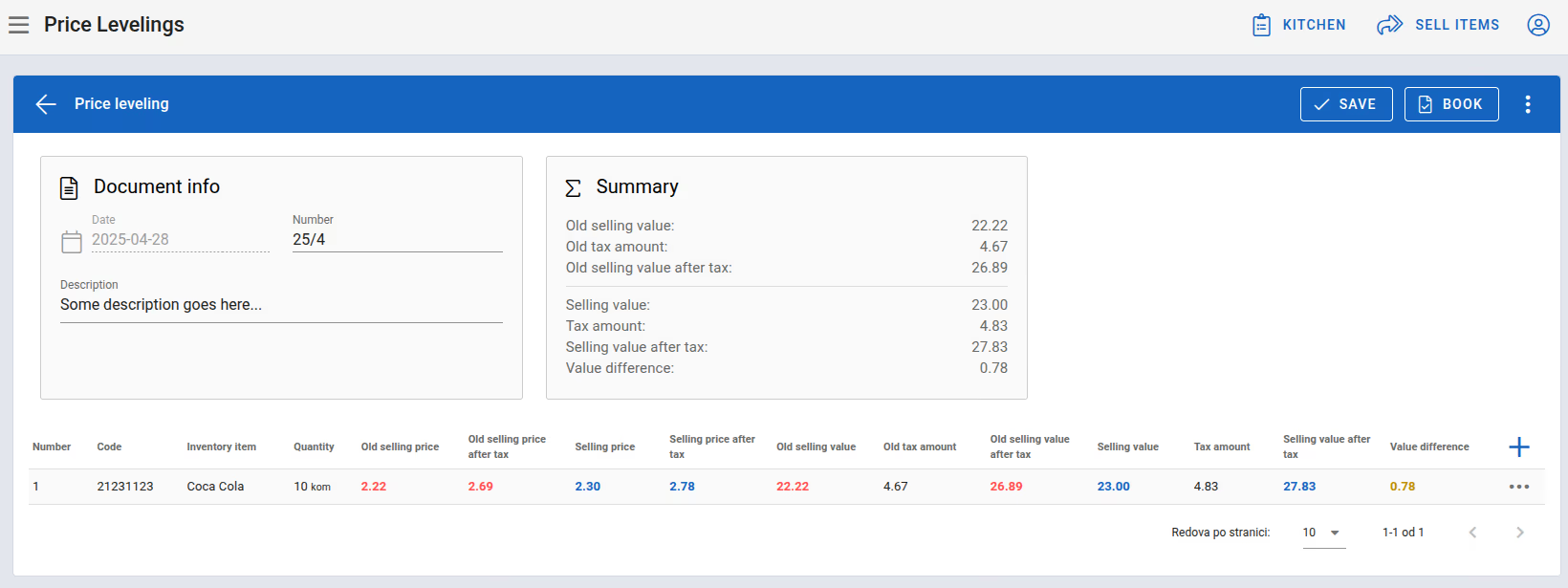
Completed Price Leveling Form
Finally, save the entire document and book it if desired (in the example it is not booked). Clicking SAVE in the upper right corner above the table saves the document to the system.
Options for Price Leveling Management
You access the price leveling management options by clicking the three dots in the last column of the table, for the specific document:
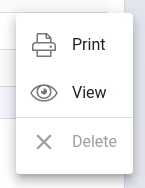
Options for Managing Price Levelings
Print Price Leveling
The first option is Print — it displays the screen for printing the price leveling document.
View and Edit Price Leveling
The second option, View, displays the following screen:
Price Leveling View and Edit Screen
Here you edit the document: change the number, description, book or unbook it, etc.
To edit a specific item within the price leveling document, click the three dots in the last column of the item table — two options appear, Edit and Delete:
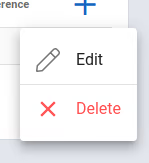
Options for Editing Item in Price Leveling Document
- Edit opens a window like the add form, pre-filled with the item's data, where you adjust the new item price
- Delete opens a warning window where confirming removes the item from the document
Delete Price Leveling
To delete a price leveling, select the Delete option in the options for price leveling management.
Important
Booked documents cannot be deleted.
After clicking Delete, a confirmation window appears:
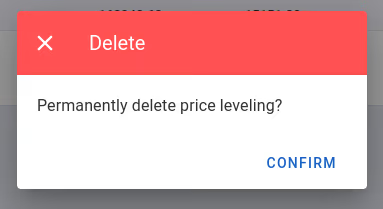
Confirmation Window for Deleting Price Leveling Document
Confirming permanently deletes the price leveling from the system.
Write-Off
The next item in Inventory Accounting is Write-Off — a list of all documents that register written-off items:
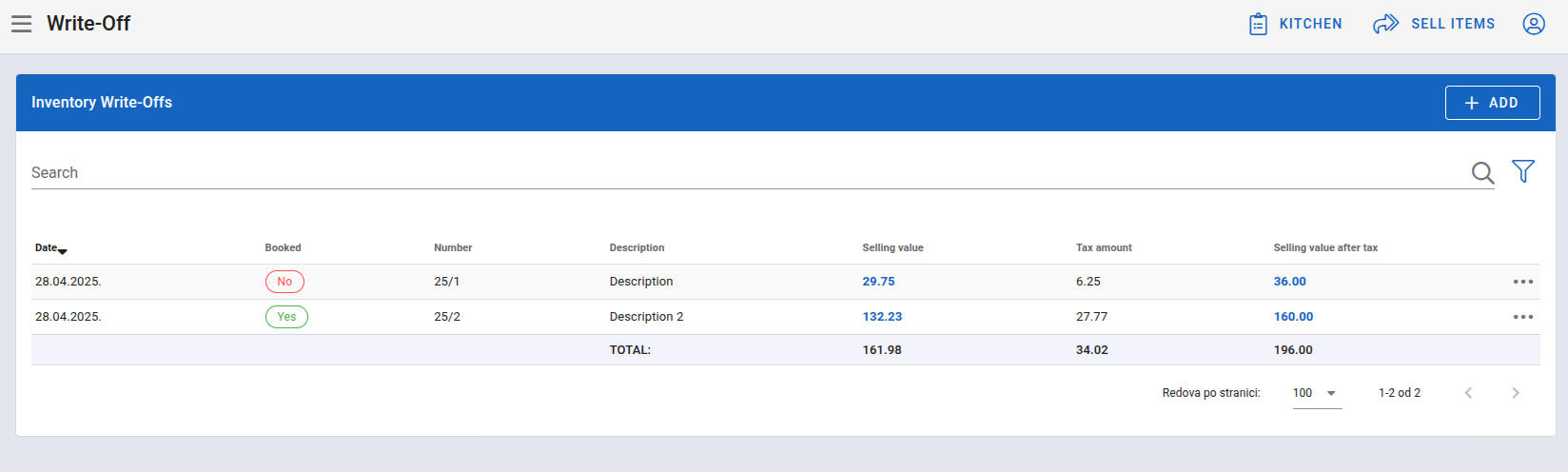
Write-Off Page
Search and Filter Write-Offs
The regular search is done by entering a term in the Search field above the table. The advanced search is available by clicking the funnel icon in the top right corner, next to the Search field:
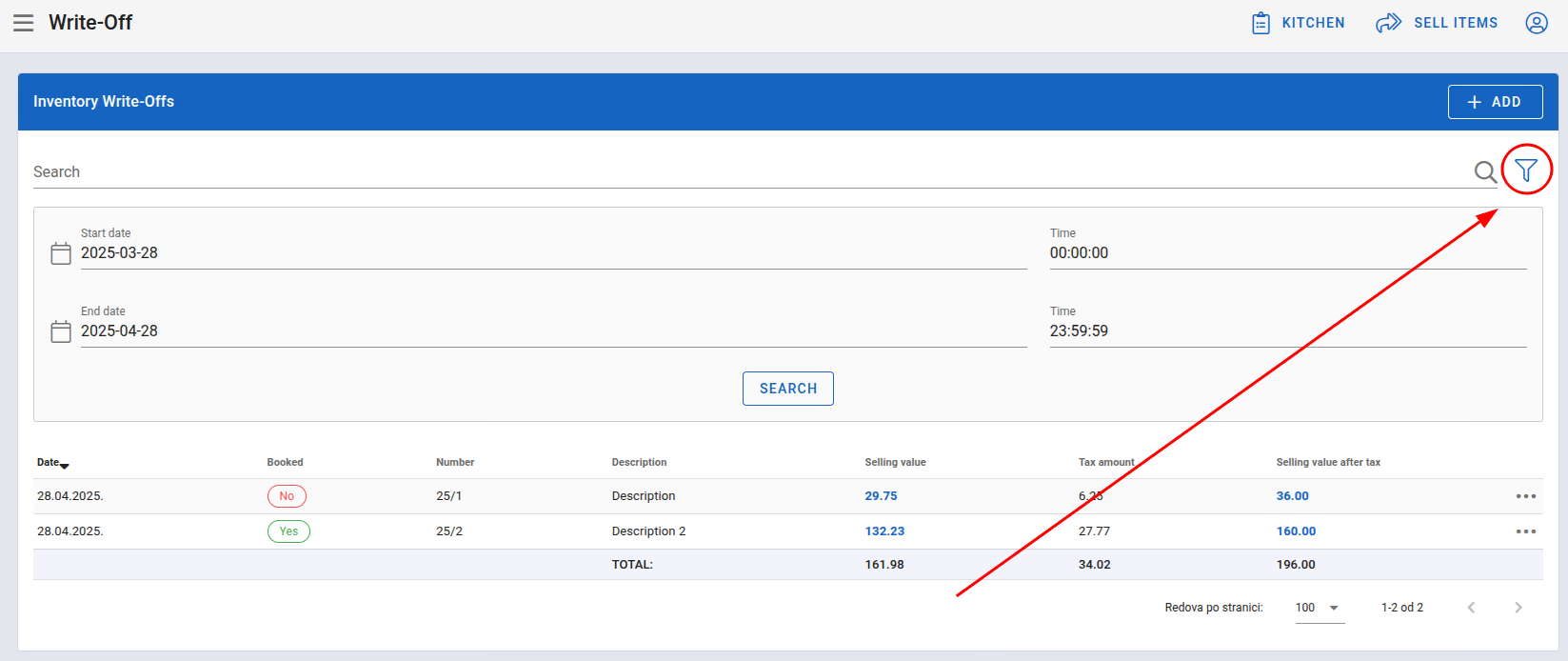
Advanced Filters
The advanced filters offer:
- filters for the start and end date
- filters for the time of the start and end date
Apply the desired filters and click the SEARCH button. Closing the advanced filters is done by clicking the funnel icon again.
Add Write-Off
To add a new write-off document, click the ADD button next to the funnel. The system takes you to the following page:
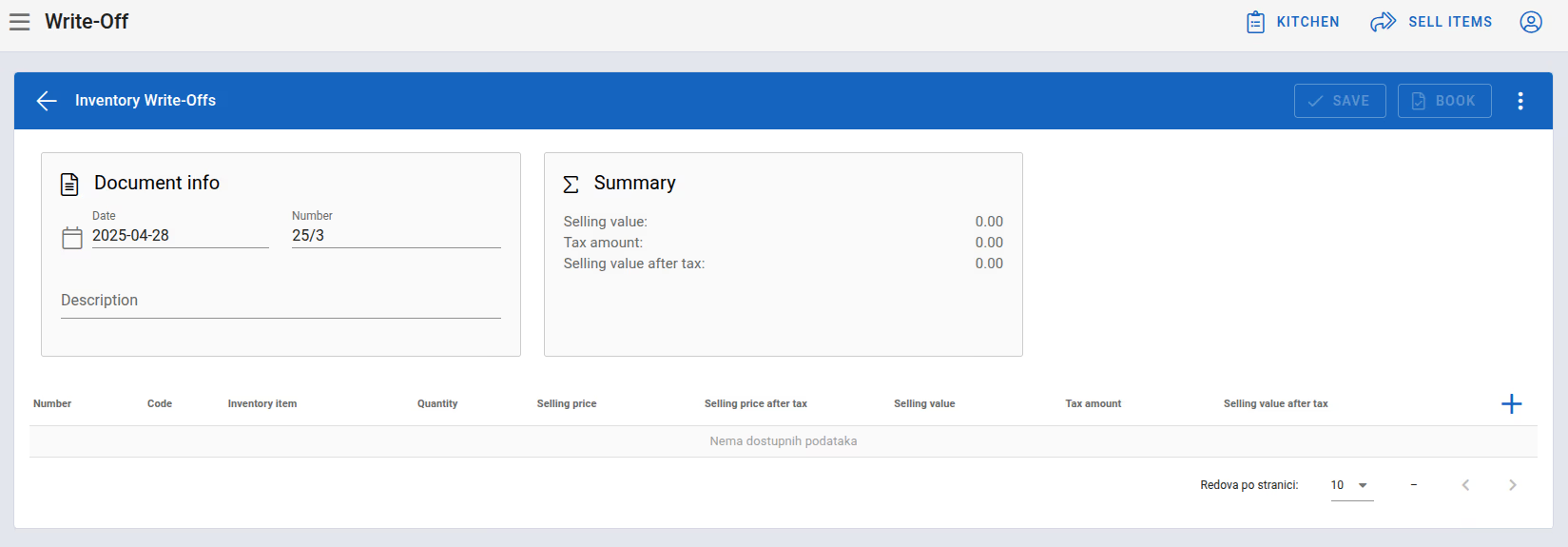
Screen for Adding Write-Off Document
First fill in the basic document information: the Date, Number, and Description:
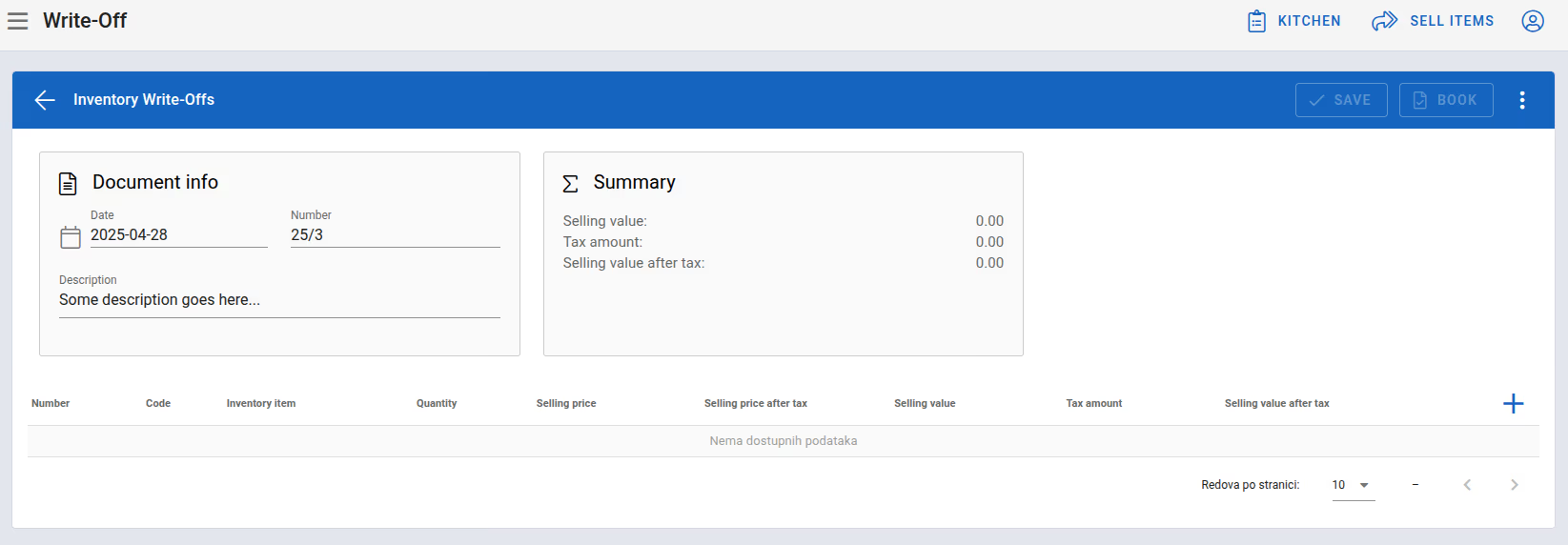
Completed Part of Write-Off Document Form
Then add the items being written off — click the + icon:
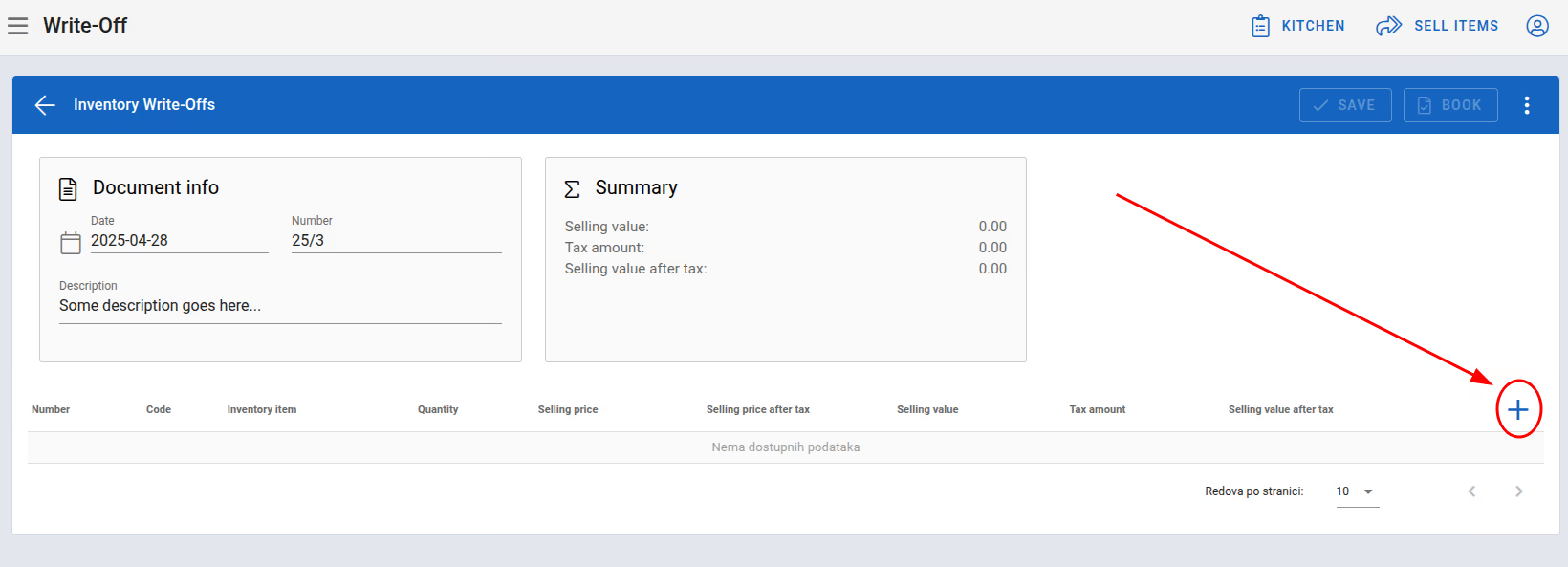
'+' Icon to Open Window for Adding Goods to Document
A window for adding write-off items opens:
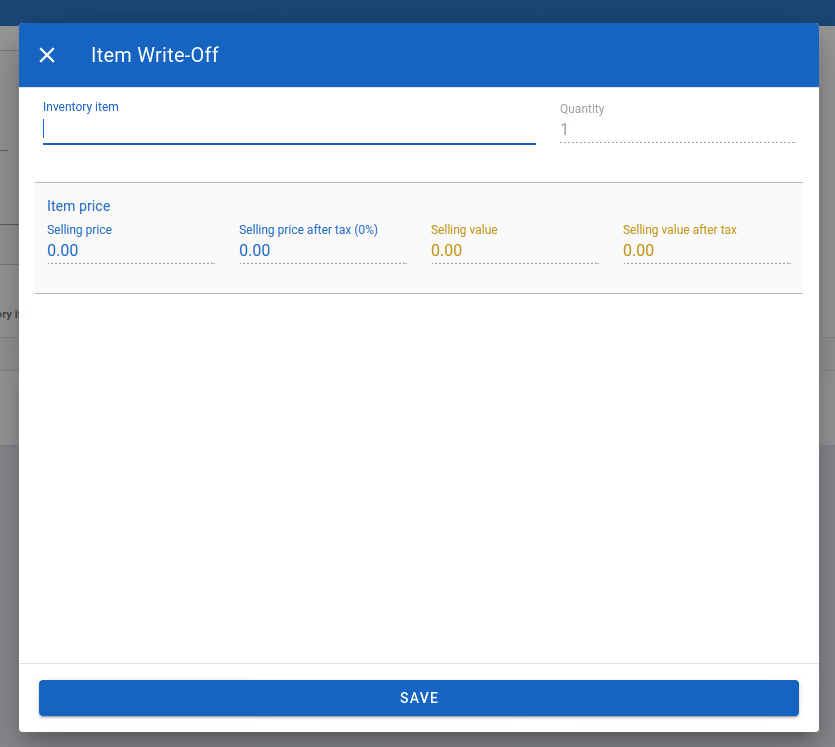
Part of Form for Adding Items for Write-Off
In the Item field, type the item's name and click it when the system finds it. In the Quantity field next to it, enter how many pieces of the selected item you are writing off.
Important
If you enter a number greater than the item's current stock level, the system reports an error.
In the example, 10 units of Carlsberg beer are written off:
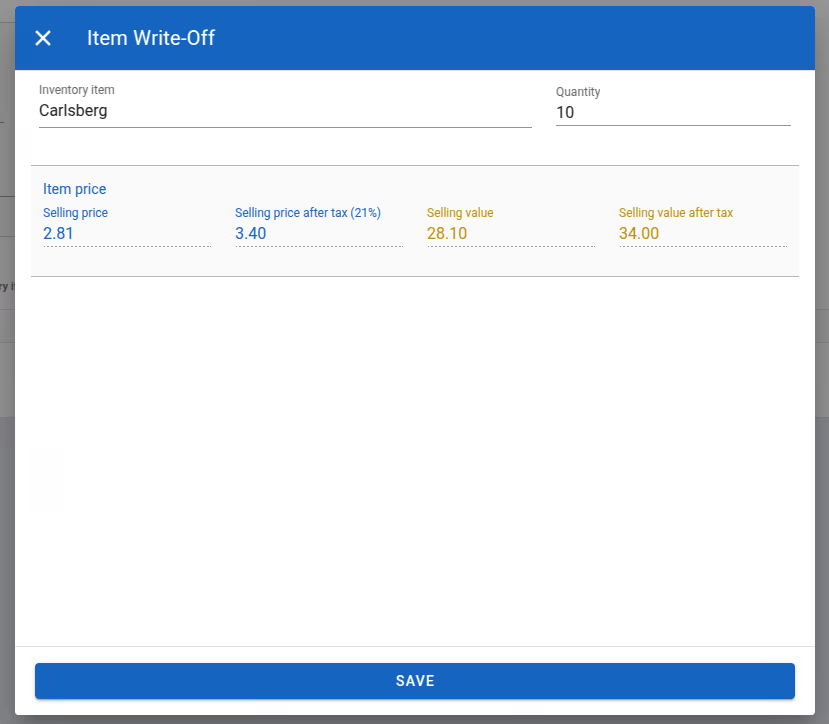
Completed Part of Form for Adding Items to Write-Off
Clicking SAVE closes the window and adds the item and its quantity to the write-off document:
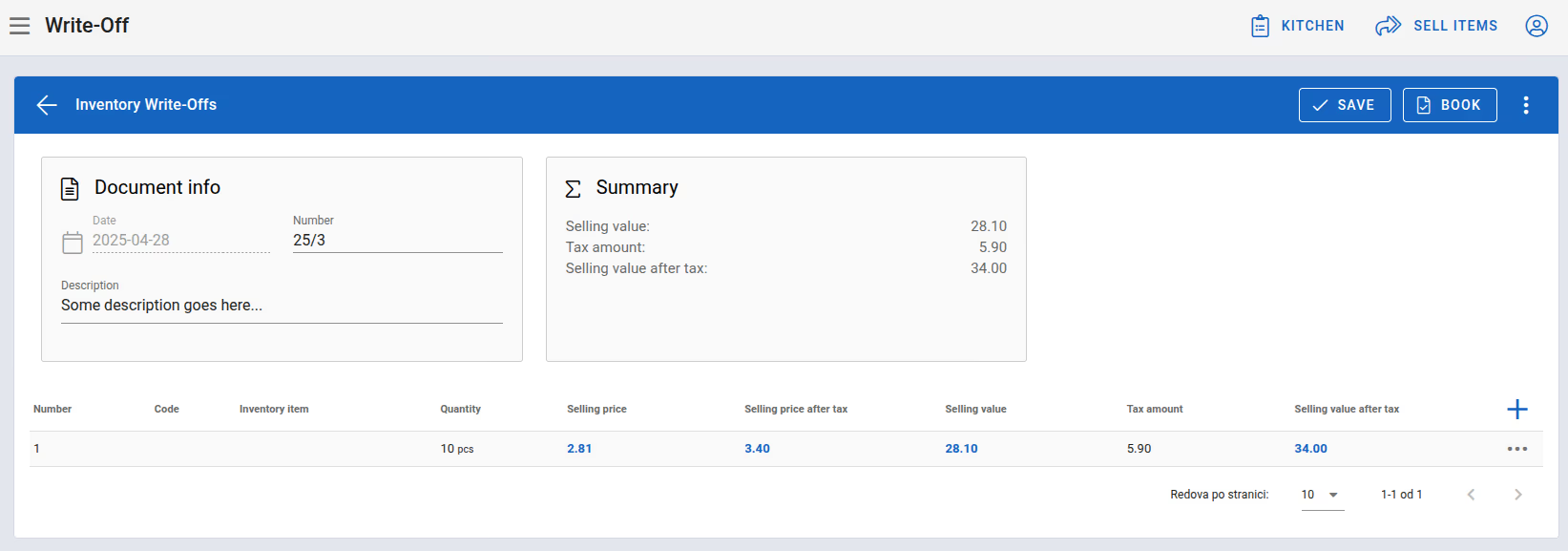
Completed Form for Adding Write-Off Document
Tip
You can add multiple items to the write-off document — click the + icon again and fill out the same form.
The document can then be saved or also booked — the two options are in the right corner:
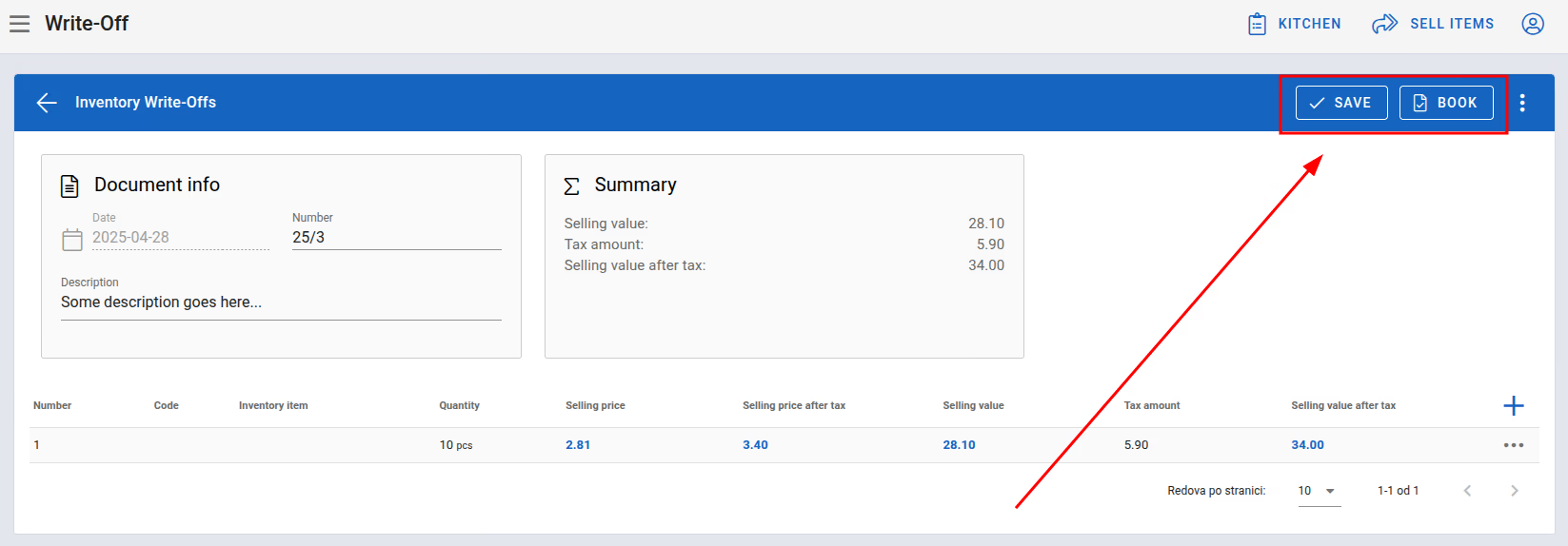
Save and Book Options
The SAVE option saves the document, but it remains unbooked. In the example the document is booked with the BOOK button, after which the system returns to the main Write-Off screen, with the newly created document at the top of the table.
Options for Write-Off Management
You access the options by clicking the three dots in the last column, at the end of the write-off document's row:
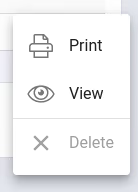
Options for Managing Write-Off Document
Print Write-Off
The first option, Print, opens a window showing the format in which the selected document will be printed.
Note
Printing is not possible for unbooked documents.
View Write-Off
The second option, View, leads to the screen for editing and reviewing an existing write-off document:
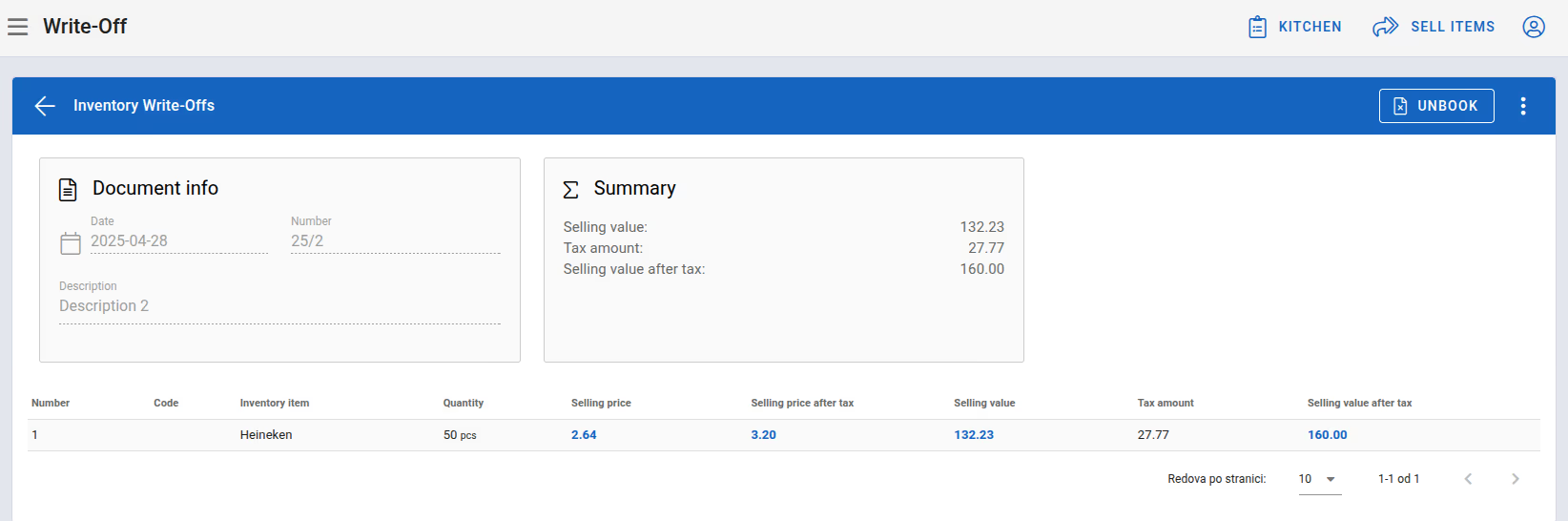
Edit Screen for Write-Off Document
If the document was previously booked, the UNBOOK option appears in the top right corner; if not, the SAVE and BOOK options appear. The example shows a document that was not booked:
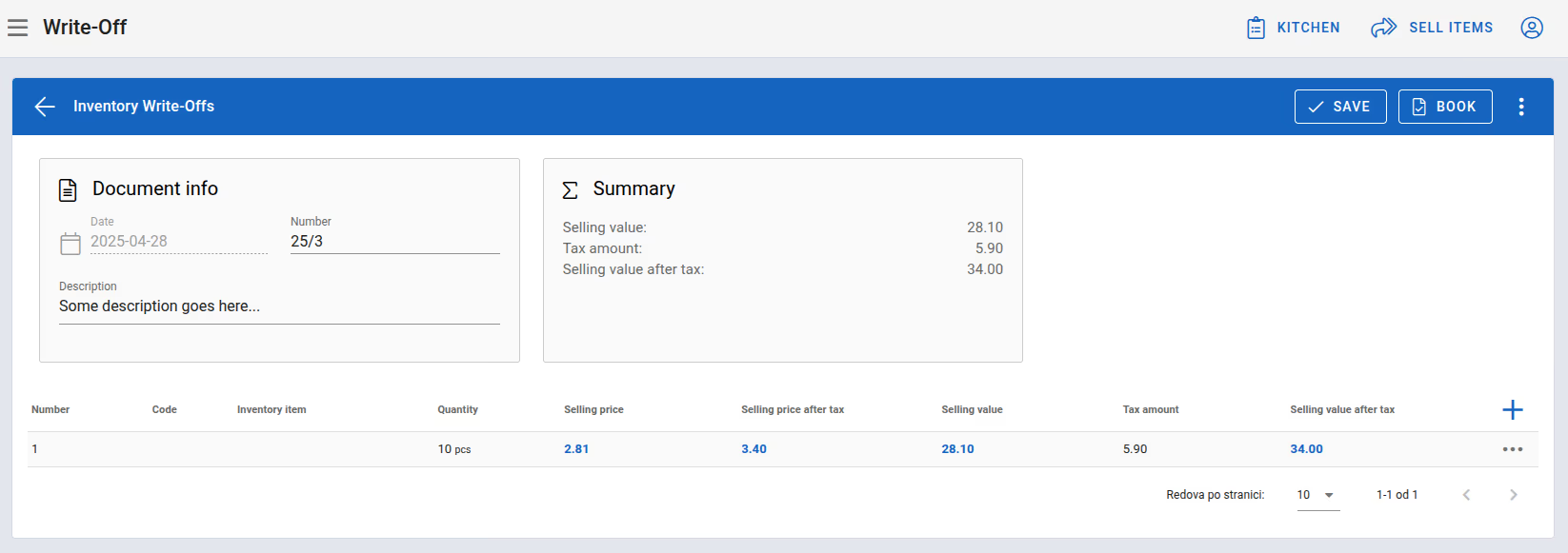
Edit Screen for Write-Off Document That Has Not Been Posted
Note
For a booked document it is not possible to change the Description and Number, or the items designated for write-off, until it is unbooked.
You manage the write-off items on the document by clicking the three dots in the last column of the table below the document information — two options appear:
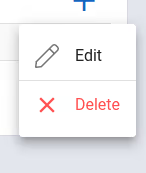
Options for Managing Write-Off Item
Edit Write-Off Item
The Edit option opens the screen for editing the item's write-off:
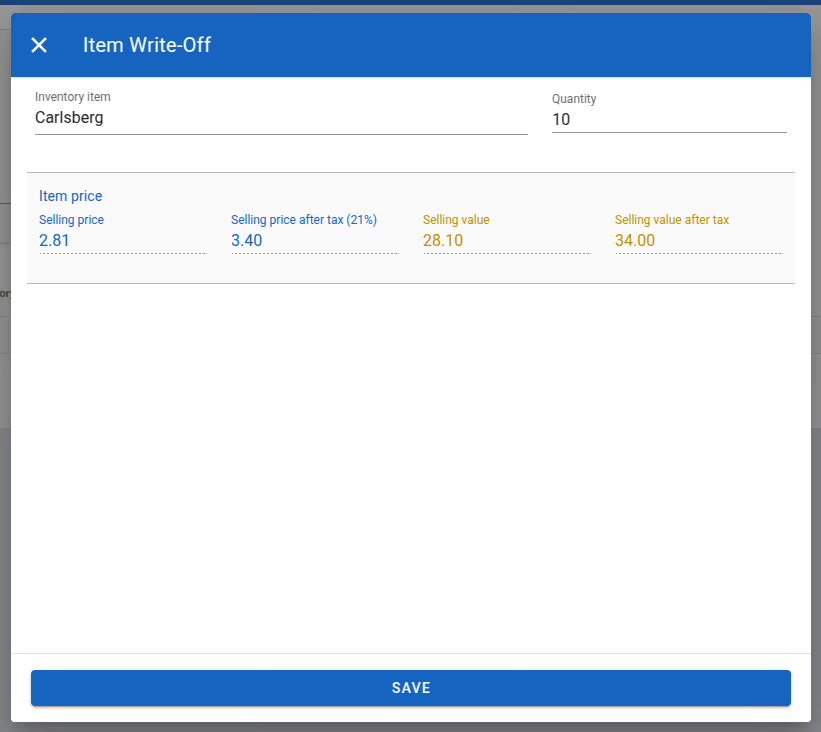
Edit Screen for Write-Off Item
After making the desired changes, click SAVE — the changes are saved and the window closes.
Delete an Item from the Write-Off Document
Selecting the Delete option removes the item from the write-off document immediately.
Note
The item is permanently deleted only after clicking the SAVE button for the entire document.
Delete Write-Off
Selecting Delete from the options for write-off management asks you to confirm deleting the write-off document:
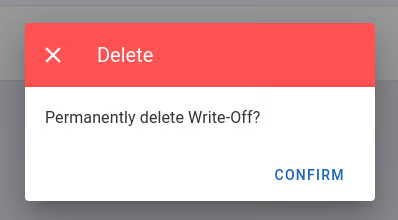
Confirmation for Deleting the Write-Off Document
Clicking Confirm permanently deletes the write-off from the system.
Important
Deletion is not possible for documents that have been booked.
Daily Cash Sales
Selecting the Daily Cash Sales item displays the following page:
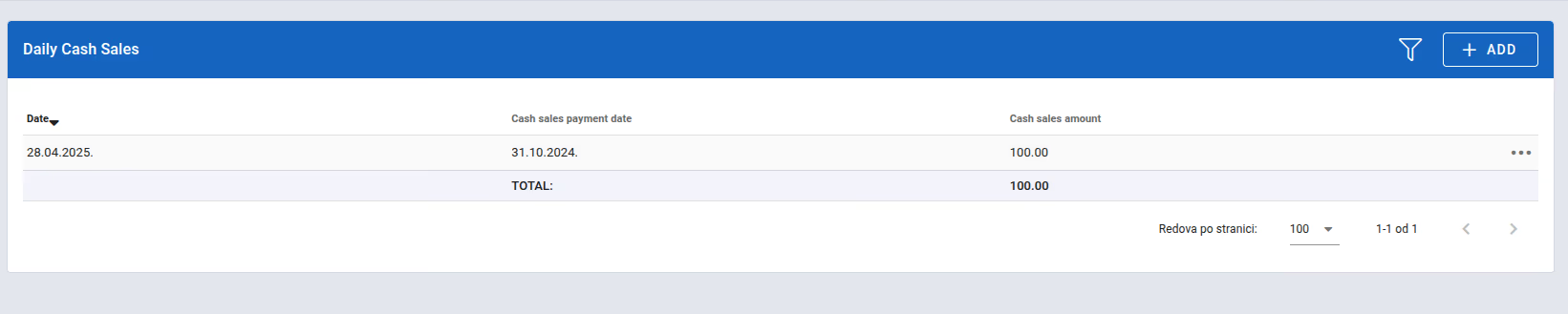
Daily Cash Sales
Here you view all daily sales by date, the cash sales payment date, the cash sales amount, and the TOTAL of all daily sales in the table's last row.
Search and Filter Daily Cash Sales
To search the daily cash sales using filters, click the funnel icon in the upper-right corner above the table — an advanced filter area appears:
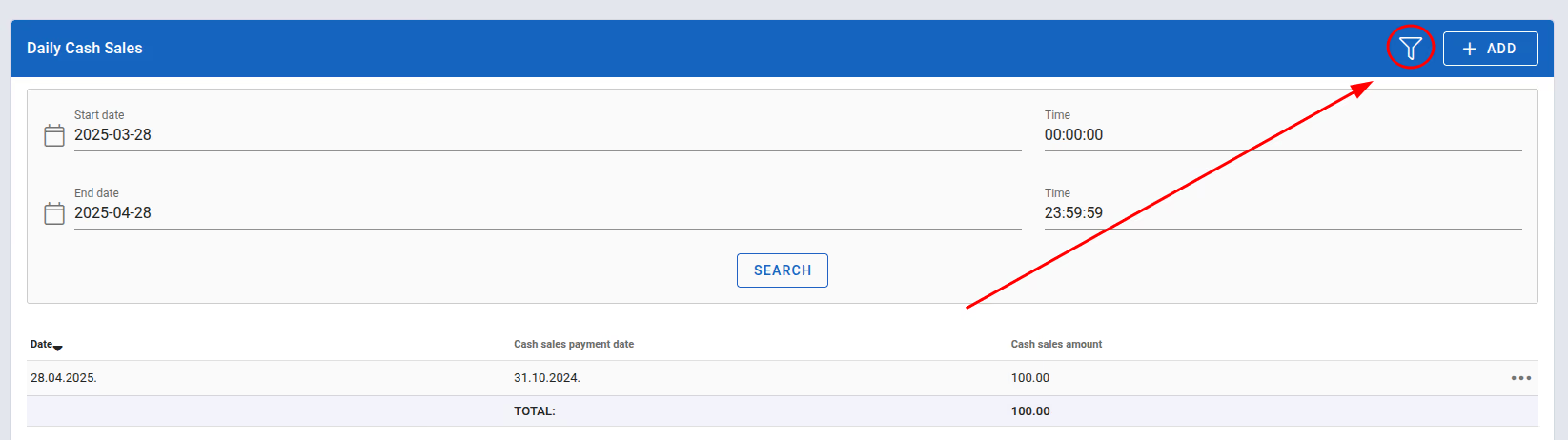
Advanced Search Filters for Daily Cash Sales
You can search by the start and end date, as well as the times within those dates. Select the desired filters and click SEARCH — the results are displayed in the table below.
Add Daily Cash Sale
The ADD button, next to the funnel icon, adds a new daily cash sale. Clicking it opens a form window:
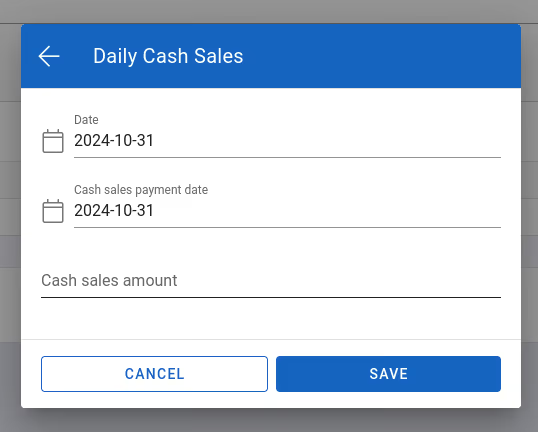
Form Window for Adding New Cash Sales
The form includes the following fields:
- Date — the date for which the cash sales are deposited
- Cash sales payment date — the date when the cash was paid
- Cash sales amount — the cash sales amount
Important
If the selected date already has a recorded daily cash sale, the system displays an error and you will need to change the date.
Fill in all the fields and click SAVE — the new daily cash sale is created and saved. Clicking CANCEL closes the window without saving.
Options for Daily Cash Sales Management
Clicking the three dots in the last column of a specific cash sale's row opens the management options:
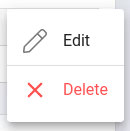
Daily Cash Sales Management Options
Edit Daily Cash Sale
The first item, Edit, opens the editing window for an existing daily cash sale:
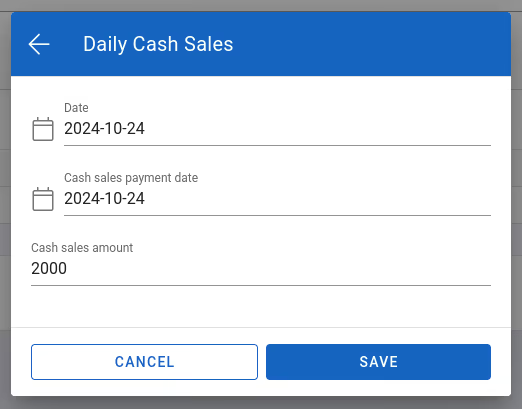
Edit Cash Sales Window
After making the desired changes, click SAVE.
Delete Daily Cash Sales
The second item, Delete, permanently deletes a daily cash sale from the system. After clicking, a confirmation window opens:
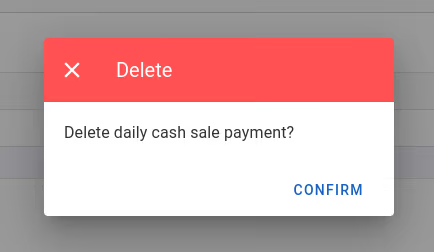
Daily Cash Deposit Deletion Confirmation Window
Selecting CONFIRM permanently deletes the cash sale and closes the window.
Stock
The Stock page displays all items in stock:
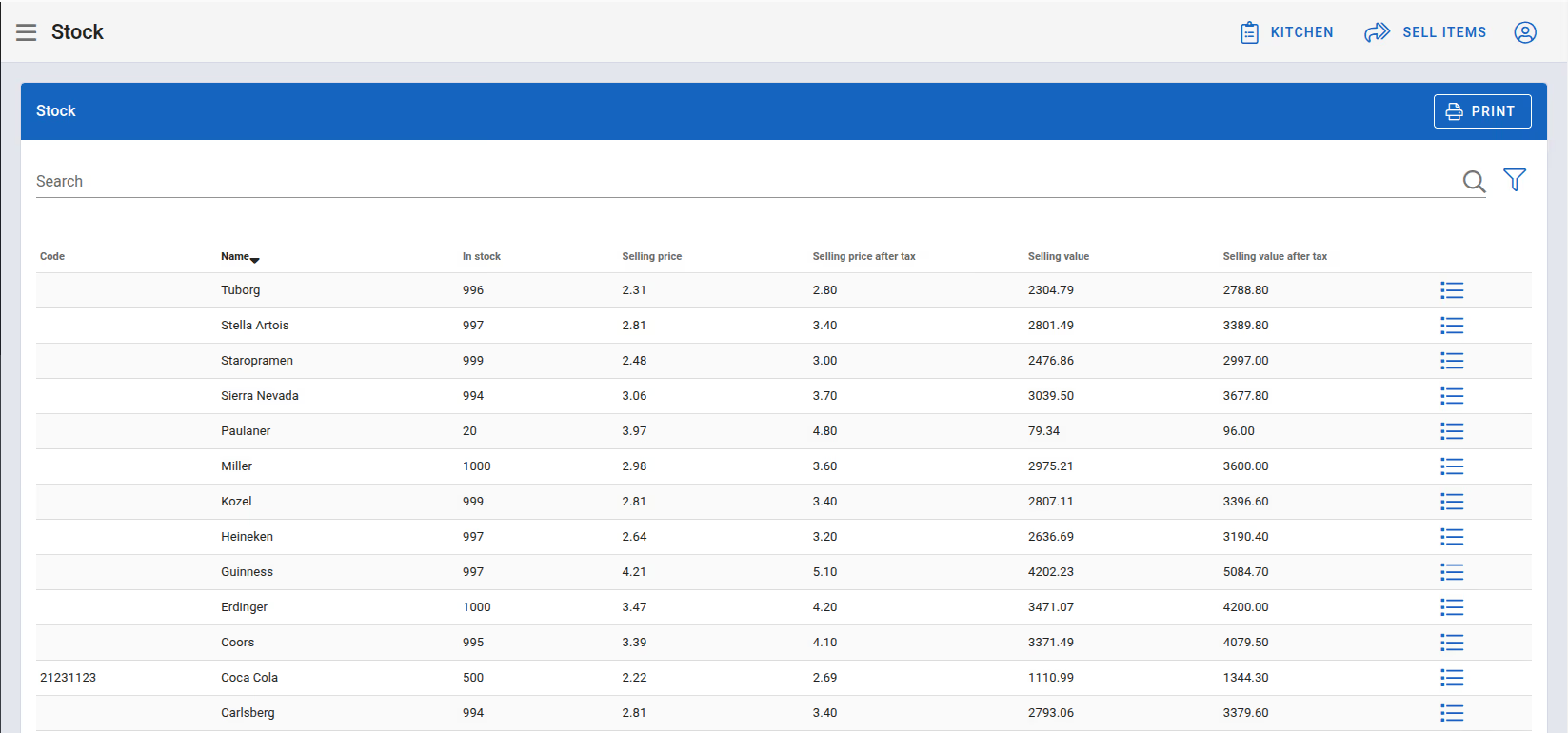
Stock Page
Search and Filter Stock
Search all items in stock by entering the item name in the Search field above the table:
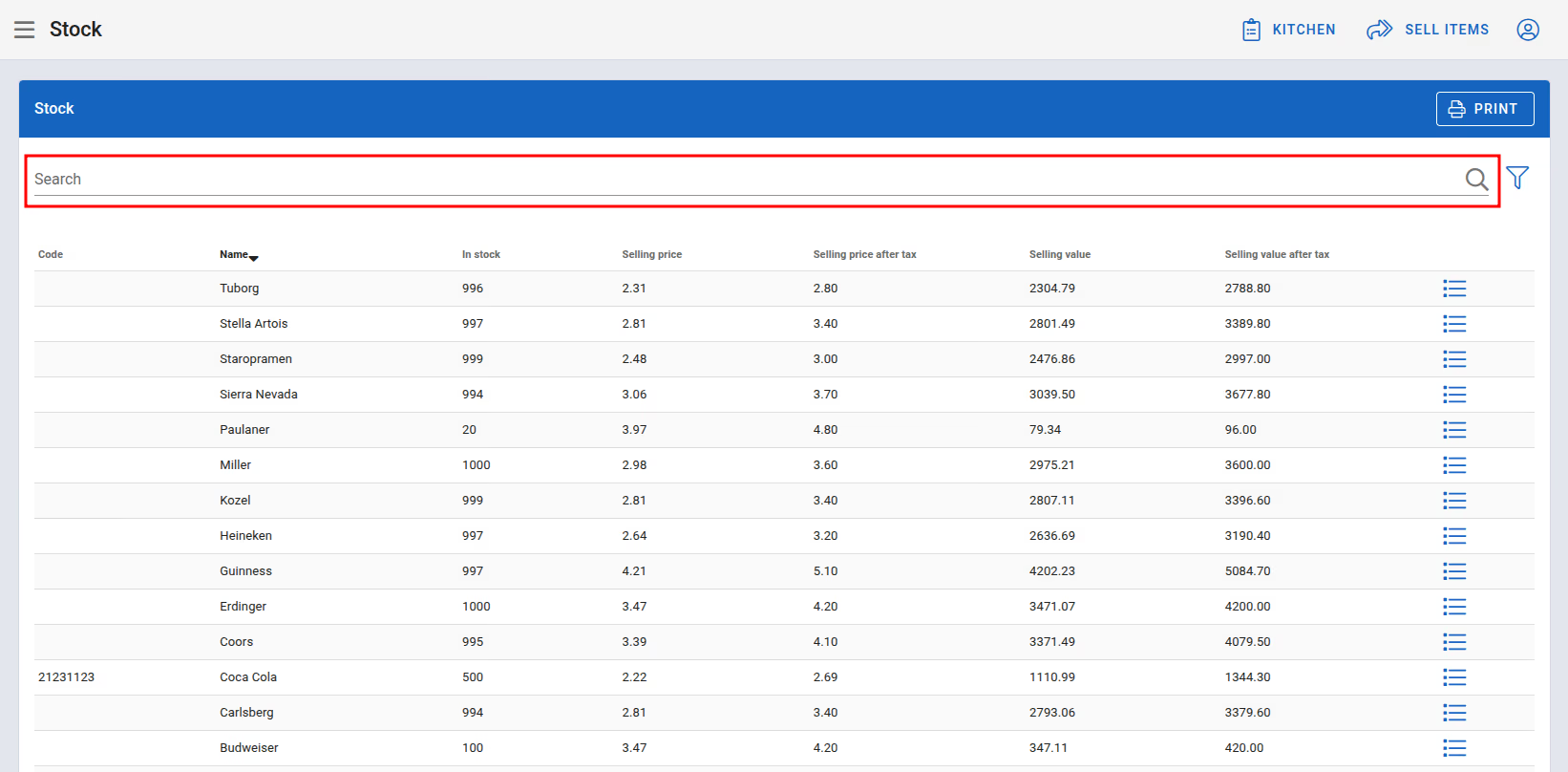
Search Field
Advanced search by filters is enabled by clicking the funnel icon in the upper-right corner:
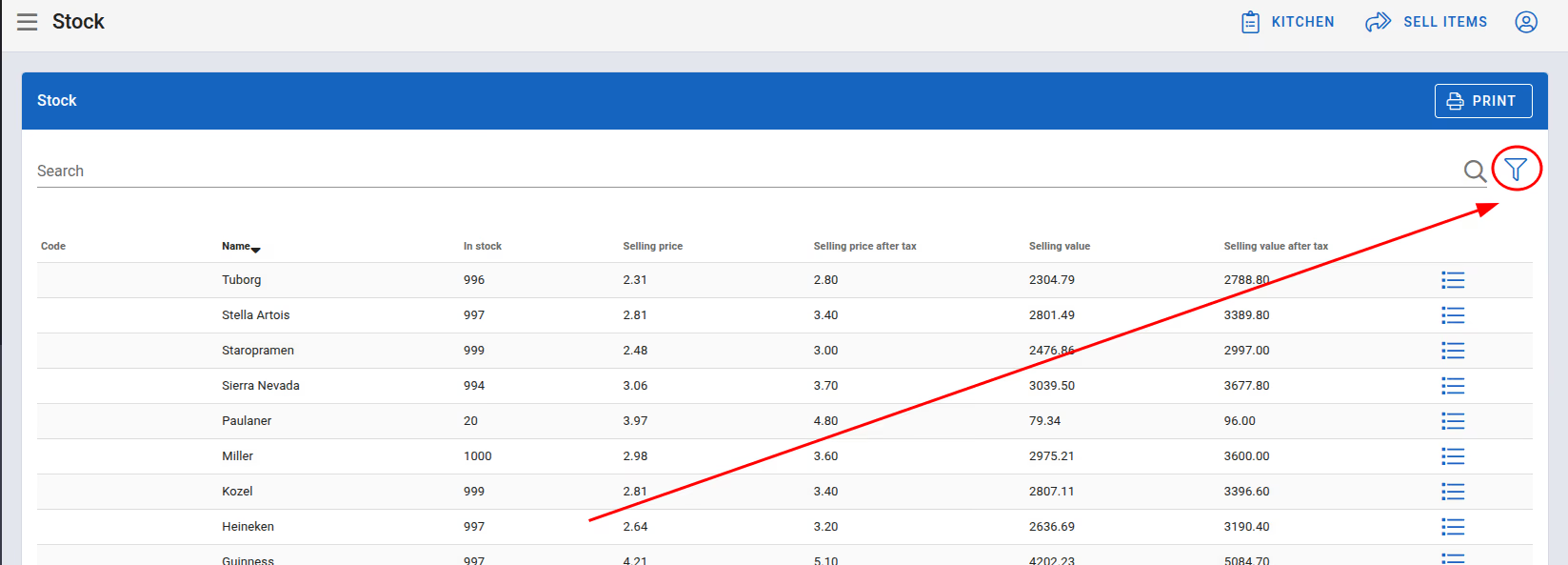
Funnel Icon
An area opens above the table:
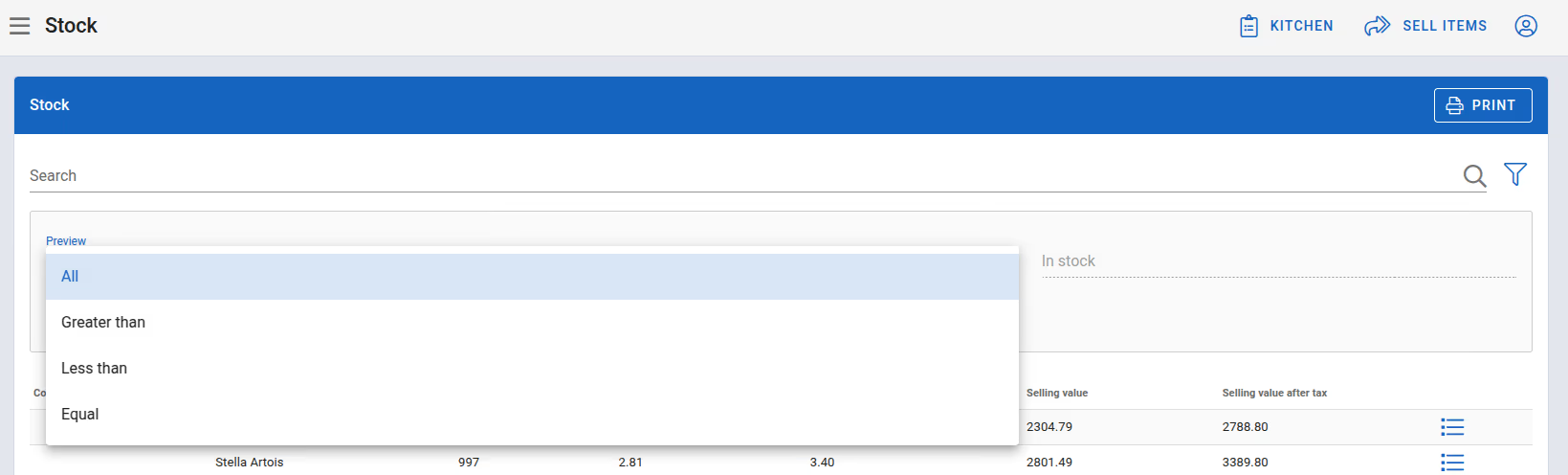
Advanced Search
From the first dropdown menu on the left, you choose whether to display all stock, or the stock whose quantities are greater than, less than, or equal to the amount entered in the In Stock field on the right.
Print Stock
To print the current stock status, click the PRINT button in the upper-right corner — the stock report is printed.
Stock Item Transactions
In the last column of each row in the stock list is an icon:

Stock Item Transactions Icon
which leads to a separate page — Stock Item Transactions.
The Stock Item Transactions page provides a comprehensive report showing all changes related to a particular stock item: all item entries and exits from the stockroom, price changes, and similar transactions.
In the example, the transactions for the item Carlsberg:
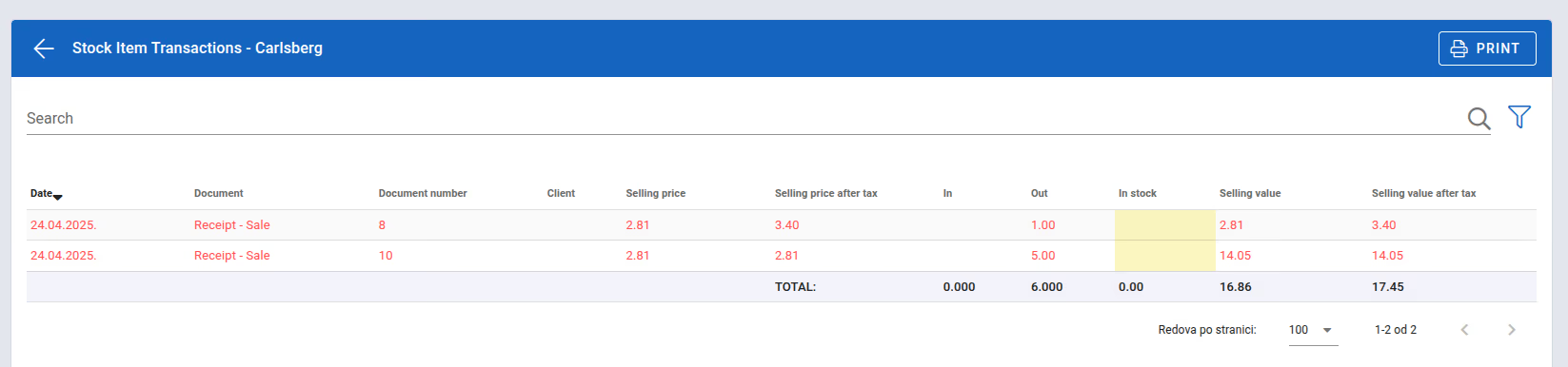
Stock Item Transactions
The table lists all the documents that reflect the changes in the selected item's stock quantity, with the following columns:
- Date
- Document
- Document number
- Client
- Selling price
- Selling price after tax
- In — quantity of the item that entered the stockroom based on the document
- Out — quantity of the item that exited the stockroom based on the document (sold, issued, written off, etc.)
- In stock — the item quantity available after the change recorded by the document
- Selling value
- Selling value after tax
Search and Filters Stock Item Transactions
The simple search within the stock item documents uses the Search field above the table. The advanced search works the same way as elsewhere, by clicking the funnel icon — you can filter by the start and end date and time, then click the SEARCH button.
Print Stock Item Transactions
To print the Stock Item Transactions, click the PRINT button:
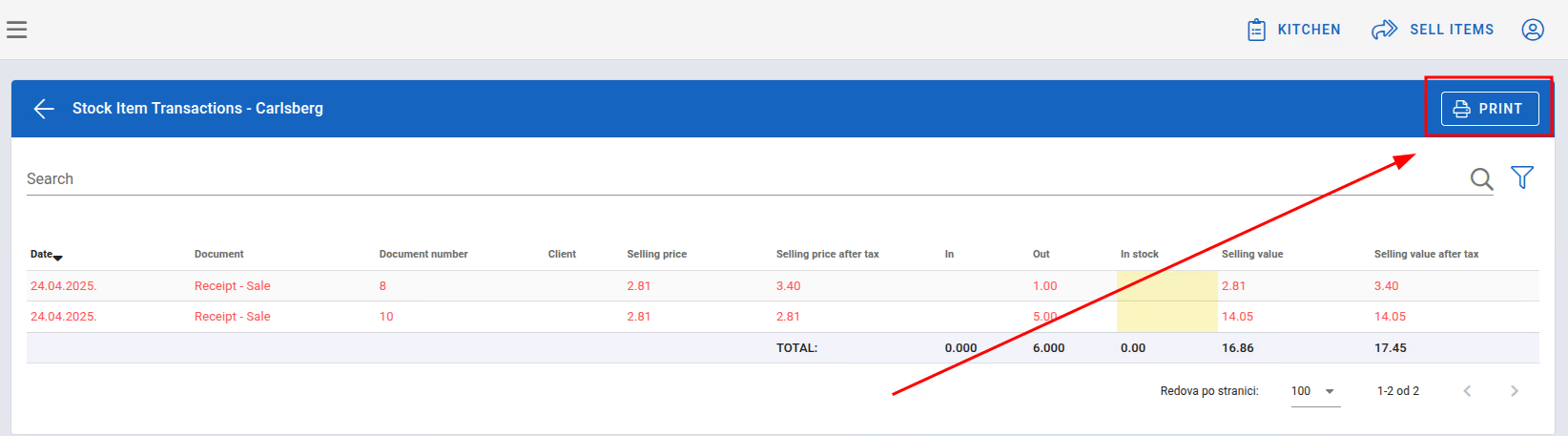
Stock Item Print Button
Clicking it opens a window showing the document format for printing.
Sales Purchase Ledger
The last item under Inventory Accounting is the Sales Purchase Ledger page:
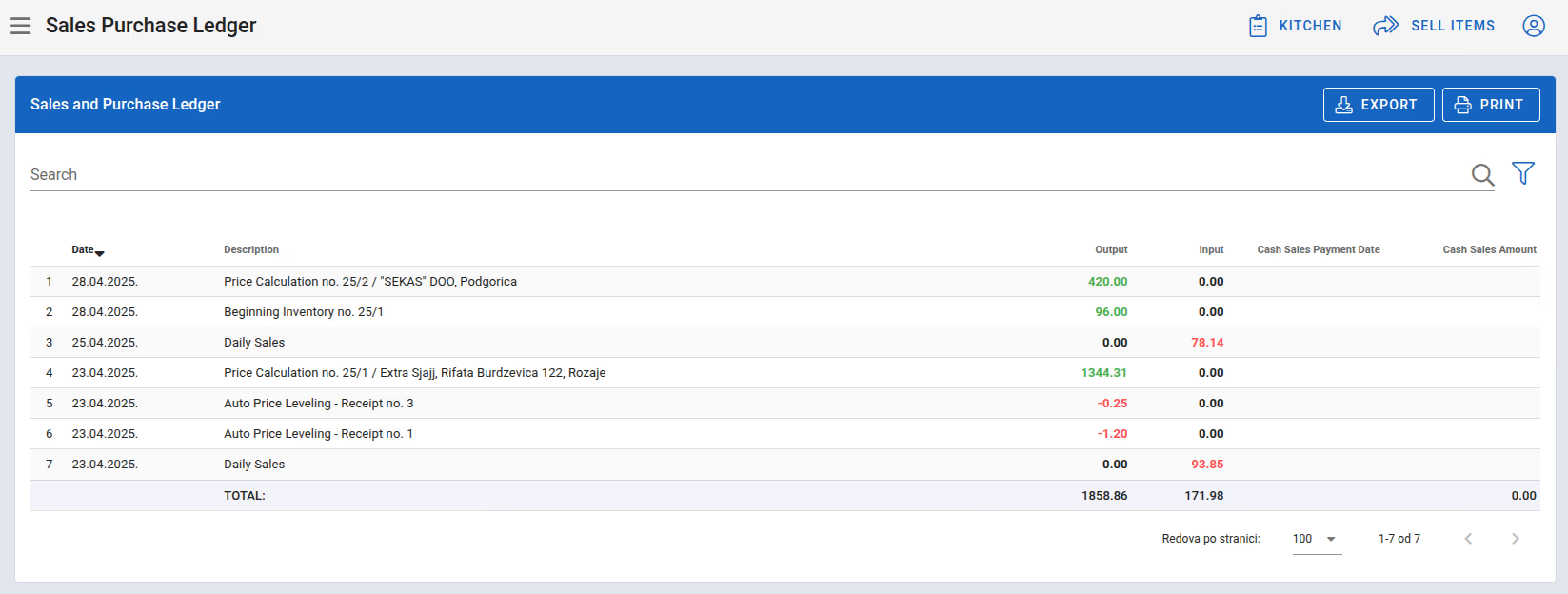
Sales Purchase Ledger Page
Search and Filter Sales Purchase Ledger
Searching is done by entering a term in the Search field above the table. Filtering is available via the funnel icon in the upper right corner — clicking it opens the filter section:
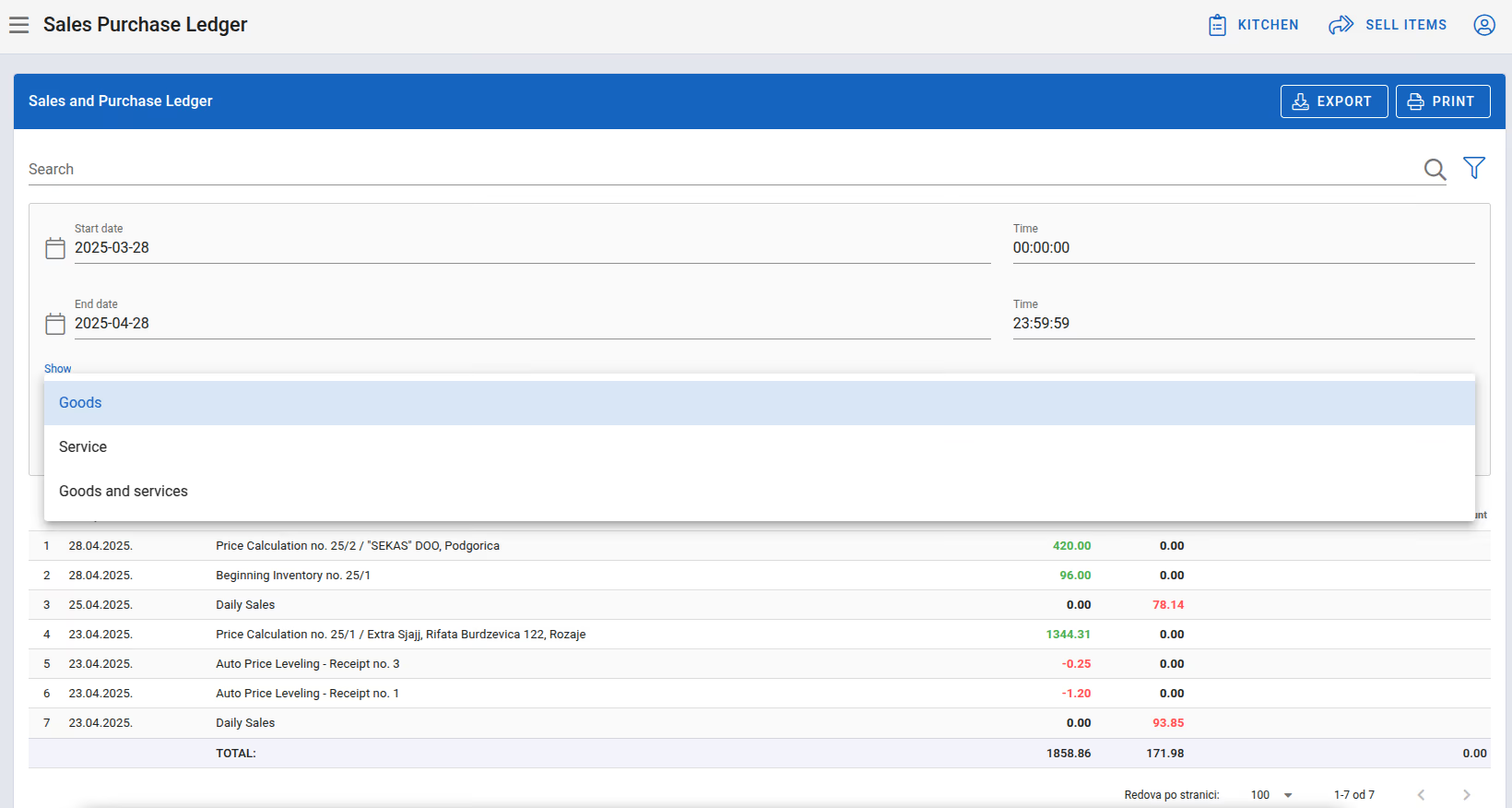
Filtering Section
You can filter by the start and end date and their times, as well as by displaying:
- Goods
- Service
- Goods and Service
Select the desired filters and click SEARCH.
Print and Export Sales Purchase Ledger
The PRINT and EXPORT options, in the upper right corner, print the Sales Purchase Ledger report for the specified time period, or export the file:
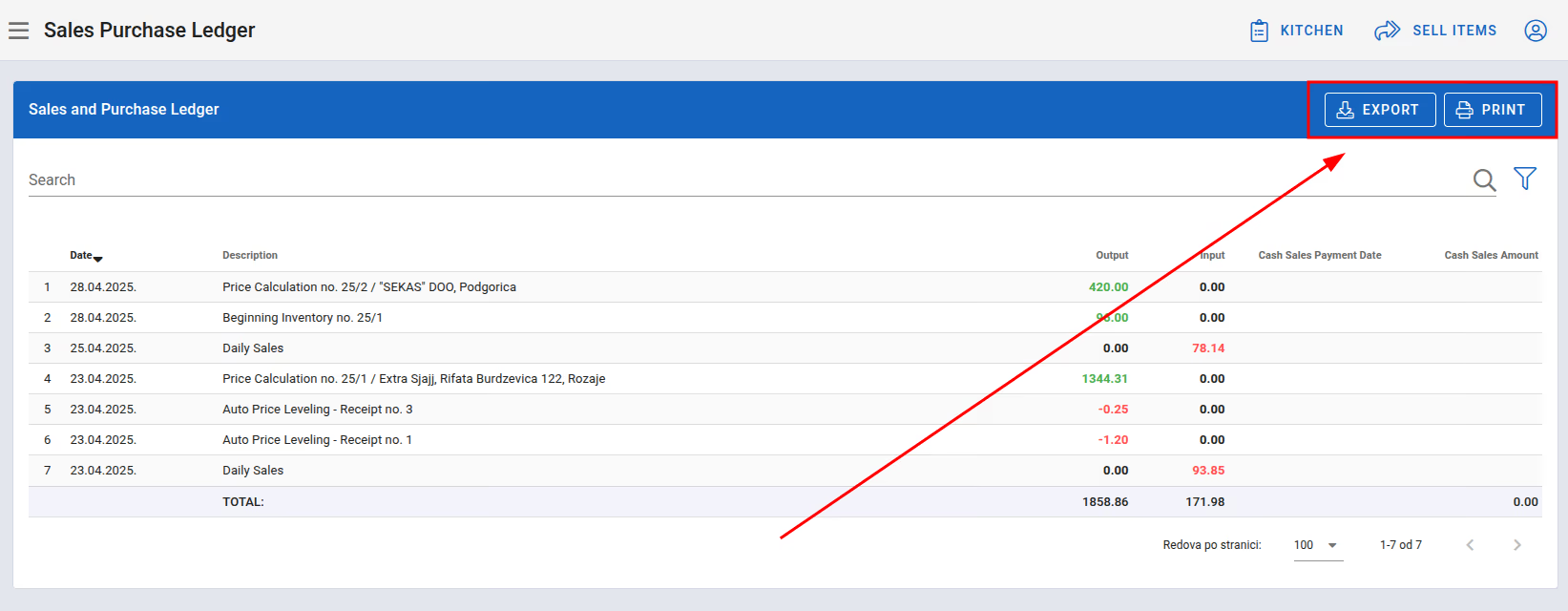
Buttons for Printing and Exporting the Sales Purchase Ledger Report